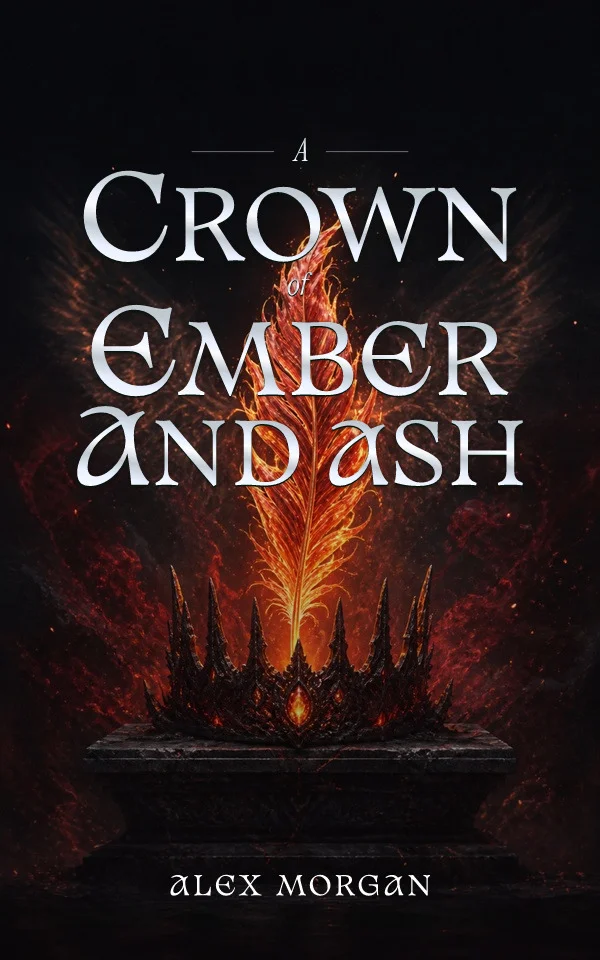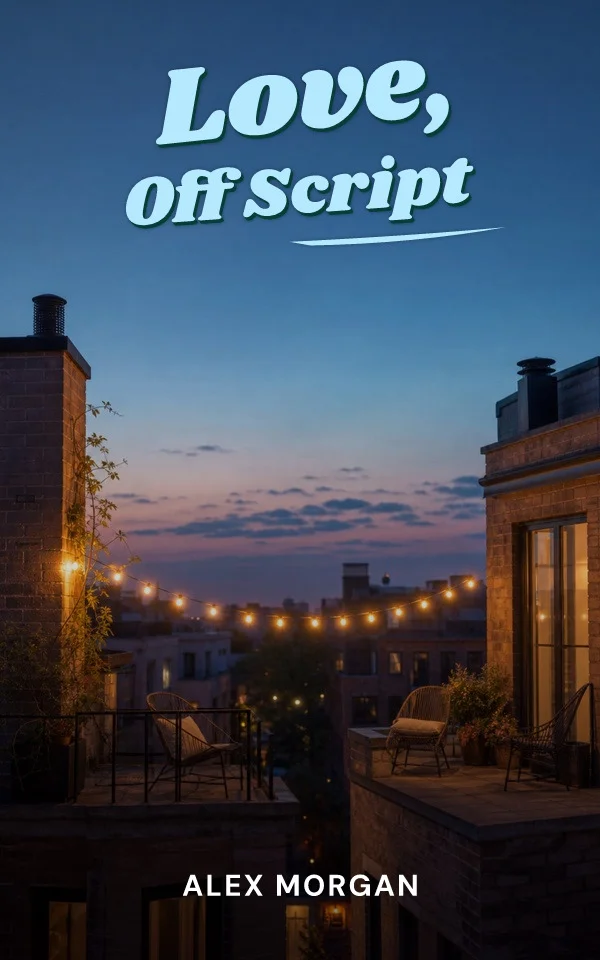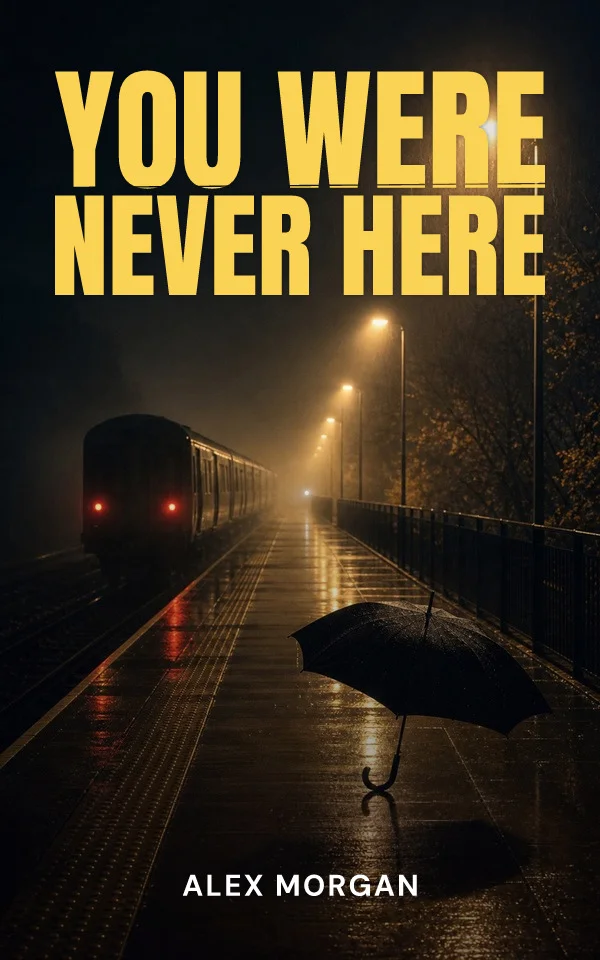

Can I use an AI-generated book cover on KDP?
KDP's current content guidelines require disclosure of AI-generated text, images, or translations, including cover art. KDP says, “We require you to inform us of AI-generated content.” KDP distinguishes this from AI-assisted content, where a person created the content and AI only helped edit, refine, or check it. If AI created the image first, KDP still treats it as generated after substantial human edits.
The publisher is responsible for deciding which category applies and for meeting all content, intellectual-property, and customer-experience rules. Editable lettering does not convert generated artwork into human-created artwork. A Coverfairy project using generated art still needs the KDP disclosure.
What does the Authors Guild model clause say?
The Authors Guild updated its model clauses on 29 April 2026. Its Cover Design clause says a publisher should not use AI-generated cover or interior art without the author's prior express approval. It also provides a route for a human designer using AI as a tool, “so long as the human has control over the final artwork,” with additional human-authorship language in the clause.
This is model contract language, not a universal law or an automatic certification for a product. Authors and publishers should read the signed contract. Coverfairy's editable crop, type, and composition provide practical human control, but the legal and contractual status depends on the actual artwork process and agreement.
Can an award reject a book because of its cover?
Yes. Award rules can be stricter than retailer rules. The New Zealand Book Awards Trust initially disallowed two 2026 Ockham Award entries under its AI-cover rule, then allowed them to be considered after reviewing the circumstances. The Trust kept the rule against covers substantially generated by AI. Authors should check the current rules for each award before commissioning or generating a cover.
What does the reader survey show?
A January 2024 independent survey summarized by Manuscript Report asked 285 respondents about AI in publishing. It reported that 80.4 percent would not buy a book they otherwise wanted if the cover was AI-generated. The sample was small, informal, and self-selected, so it is evidence of concern among those respondents, not a population estimate for all readers.
Can I copyright an AI-generated cover in the United States?
The U.S. Copyright Office says purely AI-generated material is not protected by copyright. It also says human-authored selection, coordination, arrangement, and modifications can qualify when they contain enough human authorship. The analysis is case-specific. Prompts alone generally do not supply sufficient control under the Office's current view.
Where does the litigation stand?
The UK High Court issued its Getty Images v Stability AI judgment on 4 November 2025. Getty's U.S. litigation continued in 2026, and an April 2026 decision addressed claims at the motion-to-dismiss stage rather than resolving the entire dispute. The image-model cases are active and their schedules and holdings can change, so this page links to the judgment and a current public-company filing instead of predicting the outcome.
What does human control mean in a cover workflow?
Practical control means the person can select or reject artwork, change the crop and composition, set accurate title and author text, choose licensed fonts, correct the hierarchy, and rebuild the format without asking an image model to redraw every word. Coverfairy keeps those decisions editable. That control improves production and documentation, but it does not erase the origin of generated art or guarantee a copyright result.
Hire a human designer when the book needs bespoke illustration, a precise character likeness, cultural or historical research, original lettering, a wider brand system, or eligibility under a rule that excludes generated art. Use customer-supplied human artwork when you already have a commissioned or licensed image and want Coverfairy's typography and KDP production tools.