
A useful cover brief does not retell the entire manuscript or prescribe a finished picture. It defines the reader, the promise, the emotional temperature, and the practical constraints clearly enough for several strong visual directions to emerge.
Begin with the intended reader
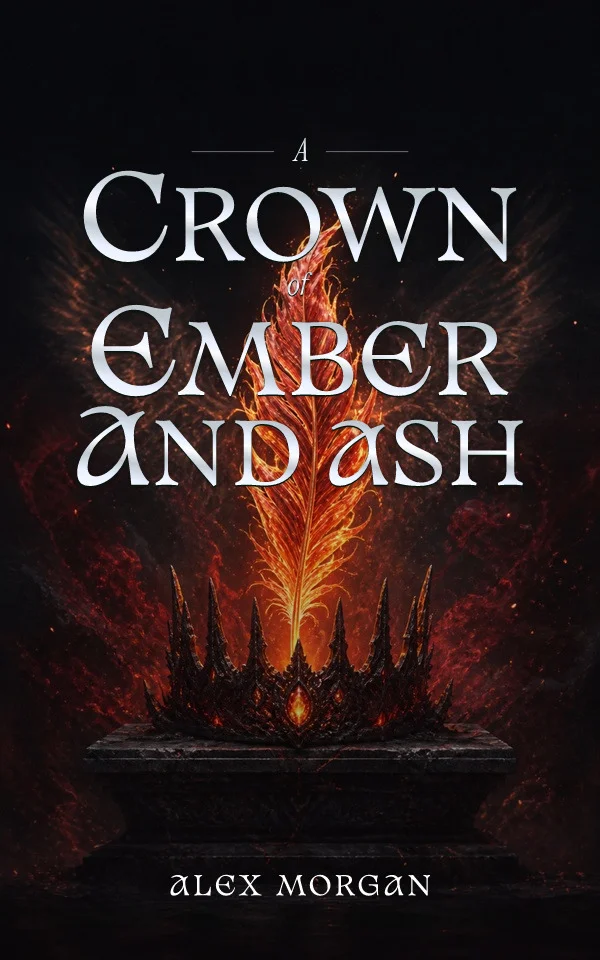
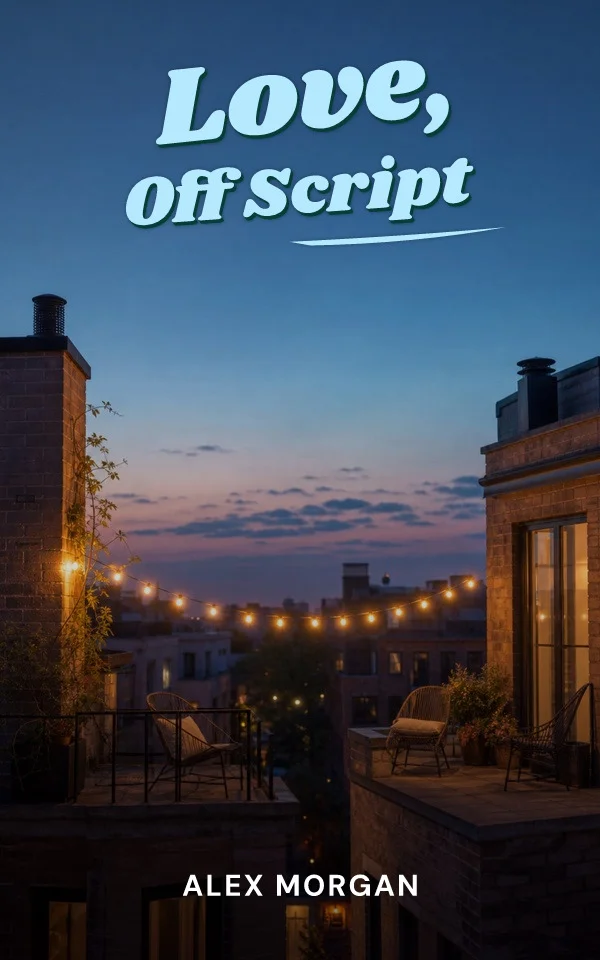
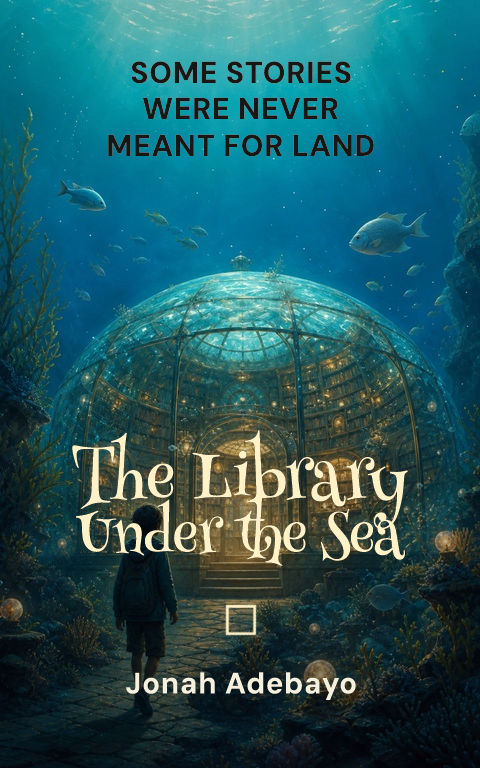
Name the shelf, subgenre, age category, and comparable readership before discussing colors or objects. Comparables are most useful when you explain the relevant signal, intimate portrait, sweeping landscape, comic illustration, restrained typography, rather than asking for a copy of one successful cover.
Reduce the story to one visual promise
Write one sentence describing what the reader should feel: dangerous attraction inside a magical court, a reflective return to a fractured family, or an urgent journey through an unfamiliar technology. Then list three story-specific images that could carry that promise without trying to illustrate every plot event.
Separate requirements from preferences
Requirements include exact title spelling, author name, format, trim, series information, and any contractual credit. Preferences are colors, motifs, type moods, and examples you like. Keeping them separate gives the design room to solve the brief while protecting facts that cannot change.
Include the production destination
State whether the release needs an ebook, paperback, hardcover, audiobook, or launch graphics. For print, add the printer, binding, trim, paper, and final page count when known. A front-only concept can begin earlier, but the full wrap should not be finalized from guessed dimensions.
By Coverfairy Editorial · Published · Updated