

Vintage geometry
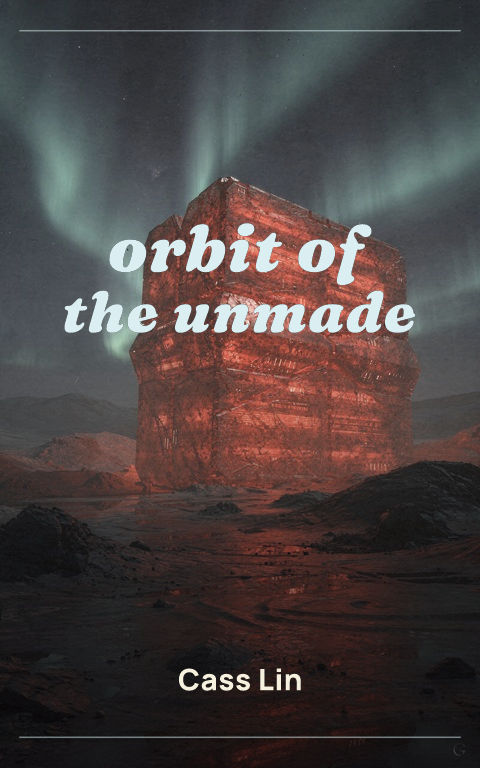
Use two or three flat colors, one strange form, and assertive type.

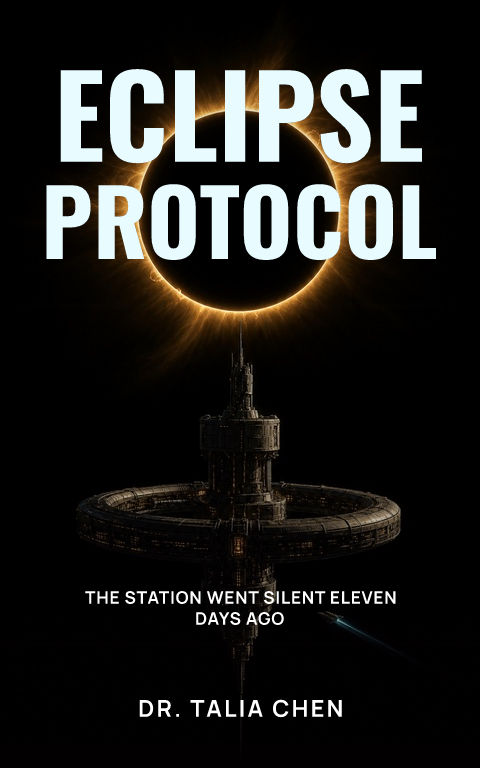
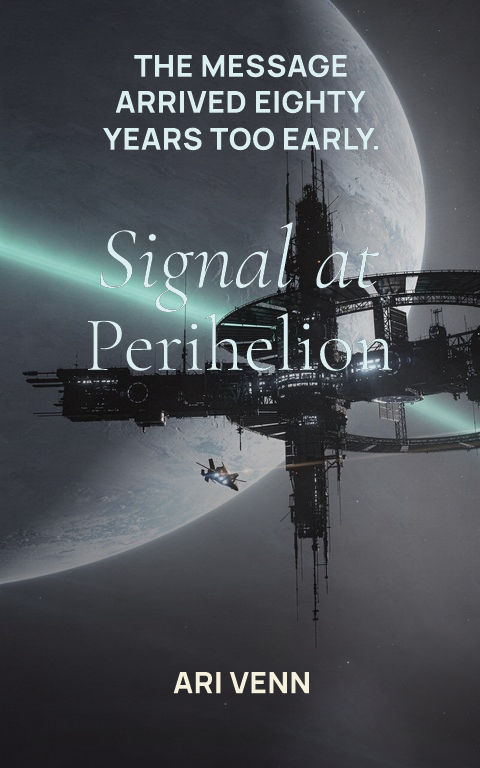
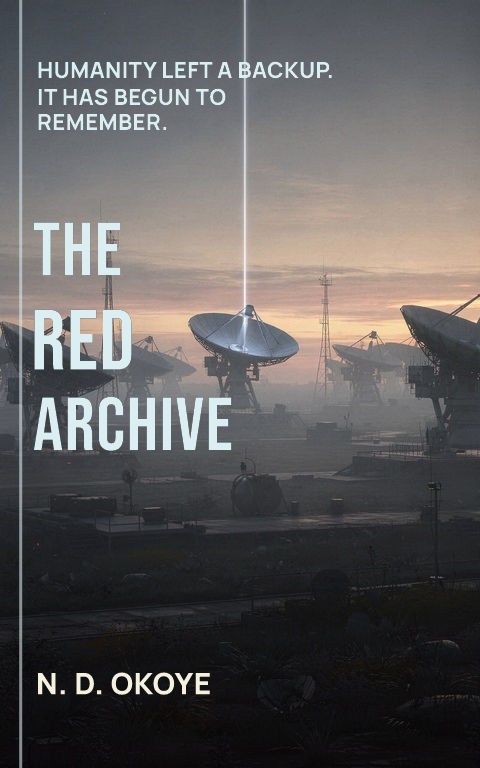
Build around technology, scale, and the unfamiliar. Start with eight distinct directions, then replace the art and edit every type layer.
How do you make a sci fi book cover?Start from technology, scale, and the unfamiliar, then keep the title, subtitle, author, and series lines as editable typography over replaceable artwork. A watermarked draft is free; an active pass unlocks the full-resolution ebook file, calculated KDP print wrap, and Interior exports.
Choose a template to open it with editable type and artwork.
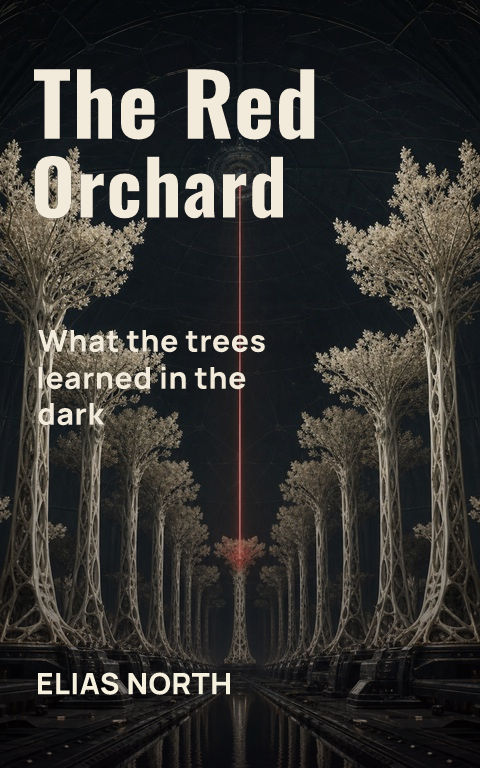
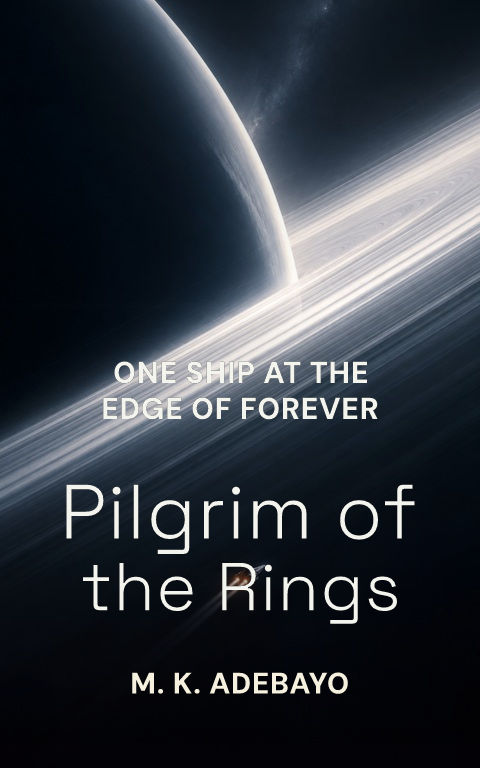
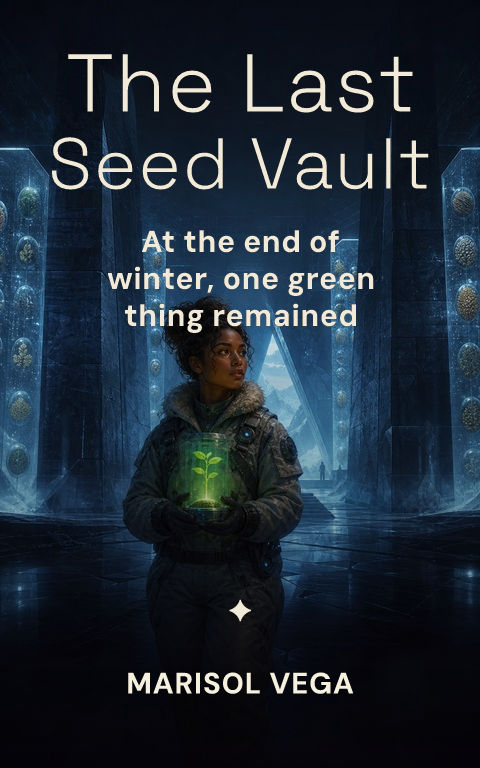
Science-fiction design ranges from restrained literary abstraction to maximal space opera. Choose the market signal intentionally. A single impossible object works for speculative fiction; a ship and planetary horizon promise adventure; geometric illustration can evoke vintage paperbacks without reproducing their limitations.
Wide sans serif faces communicate scale and technology, while condensed capitals create urgency. Vintage treatments often pair one display face with flat color shapes and visible print texture. Whatever the style, preserve a decisive title silhouette. Star fields, circuitry, and city lights are visually noisy and need an overlay or dedicated type field.
A wrap can turn the spine into a structural element, one line of light, a trajectory, or a color division, rather than a seam. Keep small spacecraft and faces away from folds. Coverfairy calculates the spine from the selected paper and page count.
Check the cover at storefront size: the title and focal image should still read clearly. For print, keep important details away from trim and leave a calm back-cover area for copy and barcode.
Hire a genre specialist when the cover needs bespoke illustration, a precise character likeness, deep market interpretation, or a series identity with meaningful commercial stakes. As a budget reference, professional cover design on Reedsy's marketplace averaged $880 across collaborations completed in 2025, with most projects between $625 and $1,250; the cover design cost guide compares the current routes. Review portfolios aimed at the same readers and confirm concepts, revision rounds, image and font rights, print formats, and later spine changes in the quote.
Coverfairy is the author-operated option. The editor stays free while you test uploaded artwork and typography; a $6 Week Pass includes calculated KDP files, an ACX square, and every Interior export for 7 days. Choose this route when you want direct control. Move to a specialist when the brief needs more art direction than you can supply.
Use two or three flat colors, one strange form, and assertive type.
Create scale with a small ship against a dominant planet or structure.
Let one visual contradiction carry the premise.
Yes. Use the vintage science-fiction ideas gallery and editable type pairings.
Yes. The spine and back are part of the same cover document.
Yes. Uploaded artwork receives an editable crop, overlay, and version history.