
Free book description generator
Draft an editable Amazon book description for fiction, memoir, or nonfiction from the reader, hook, problem, value, proof, and tone — then check it against a practical conversion checklist.
Draft a description readers can scan and trust
141 wordsRetailer target: 130–190 words. This draft is in range; clarity still matters more than the count.
- Names the intended reader
- States a concrete problem
- Explains the book's distinct value
- Uses short, scannable paragraphs
Your inputs stay in this browser. Treat the result as an editable structure: verify every claim, restore the book's real voice, and remove any promise the manuscript does not earn.
Quick answerA useful book description generator gives the sales copy a deliberate structure: a hook, a named reader or point of view, a concrete problem, the book's distinct promise, specific evidence or stakes, and a final reason to continue. The output is a draft to verify and rewrite, not a substitute for knowing what the book actually delivers.
Book description, blurb, and synopsis are different jobs
A retailer book description and a back-cover blurb are both persuasive copy, but they live in different spaces. The retailer page can carry more context, searchable language, and scannable paragraphs; the printed back panel must fit a physical column beside the barcode, author note, and endorsements. A synopsis is not sales copy at all: it explains the complete plot, including the ending, for an agent or editor. Never paste a synopsis into the description field and expect readers to find the hook.
How do you write a fiction description?
Open on the disruptive situation rather than the character's childhood or the world's history. Establish one point of view, a specific desire, the force blocking it, and the consequence of failure. Name only the characters required to understand the central choice. The second paragraph should tighten the conflict instead of listing subplots, while the final lines should leave the governing question open. Genre voice matters, but familiar phrases such as ‘everything changes’ or ‘nothing is as it seems’ should be replaced with the book's actual danger.
How do you write a nonfiction or memoir description?
Practical nonfiction should identify the reader and problem, state the book's distinct method or lens, and support the promise with concrete chapter outcomes, examples, research, experience, or tools that genuinely appear in the manuscript. Memoir needs a lived situation, a change or pursuit, the pressure that makes it matter, and the perspective the narrator can now offer without turning the experience into a guaranteed lesson for every reader. Specificity builds credibility; inflated transformation claims destroy it.
What length works for Amazon and a print back cover?
There is no universal winning word count. A useful working range is roughly 130 to 190 words for a retailer description, 110 to 160 for a typical back panel, and 70 to 110 for a short pitch. These are editing constraints, not platform limits. Read the first two lines in a mobile-width column, because stores truncate long descriptions, then place the copy on the actual print wrap. If the type must shrink to make it fit, the copy needs another edit.
Make the first screen earn the next click
The opening line and first short paragraph do disproportionate work on a retailer page. They should state a recognizable tension, problem, or promise before biography, praise, series lore, or formatting decoration. Use ordinary words readers use for the category when they are accurate, but do not stuff repeated keywords into the prose. Search language helps only when the description still reads like an informed human invitation rather than a list assembled for a crawler.
Audit every generated claim before publishing
Check every name, relationship, setting, method, credential, statistic, outcome, and comparison against the manuscript and the author record. Remove invented reviews, bestseller language, guarantees, medical or financial promises, and details that belong to a different edition. Replace generic transitions with the book's own vocabulary, read the result aloud, and ask a genre-aware reader what question the copy creates. Preserve the approved text with the cover project so Amazon, ebook, paperback, and later editions do not drift into contradictory descriptions.
Carry the description into the production funnel
The description should not die in a copied text file. Place the approved version onto the real back-cover panel and test it at print size with the barcode clearance, author bio, endorsements, and background contrast visible. Then use the same approved source for the retailer page, trimming or expanding only for the context. Coverfairy carries the editable description into the cover editor and keeps the print wrap connected to the final formatted page count, so copy, geometry, and production review remain one workflow.
Frequently asked questions
Is this book description generator free?
Yes. Generate, edit, audit, and copy the draft without an account. Your inputs stay in the browser unless you choose to carry the approved copy into a Coverfairy project.
Can it write Amazon and KDP book descriptions?
It creates a plain-text retailer draft for Amazon or another bookstore. Check the current retailer rules, paste it without unsupported styling, preview the mobile opening, and verify every claim before publishing.
Does it work for nonfiction and fiction?
Yes. The fiction route emphasizes point of view, conflict, and stakes; nonfiction emphasizes reader, problem, method, evidence, and outcome; memoir emphasizes lived change and perspective.
Should I publish the generated description unchanged?
No. Generated structure is a starting point. Restore the book's actual voice, remove generic language, confirm names and promises, and test the final text on the real back cover and retailer page.
How long should a book description be?
Use the context rather than a rigid rule. The tool audits working ranges of 130–190 words for retailer copy, 110–160 for a print back cover, and 70–110 for a short pitch.
Put the idea on your own book.
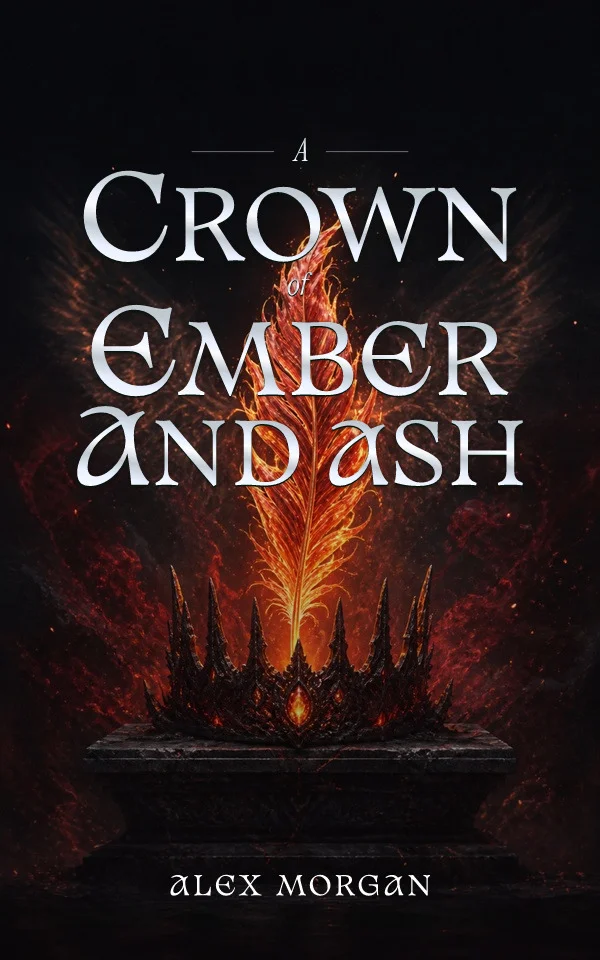
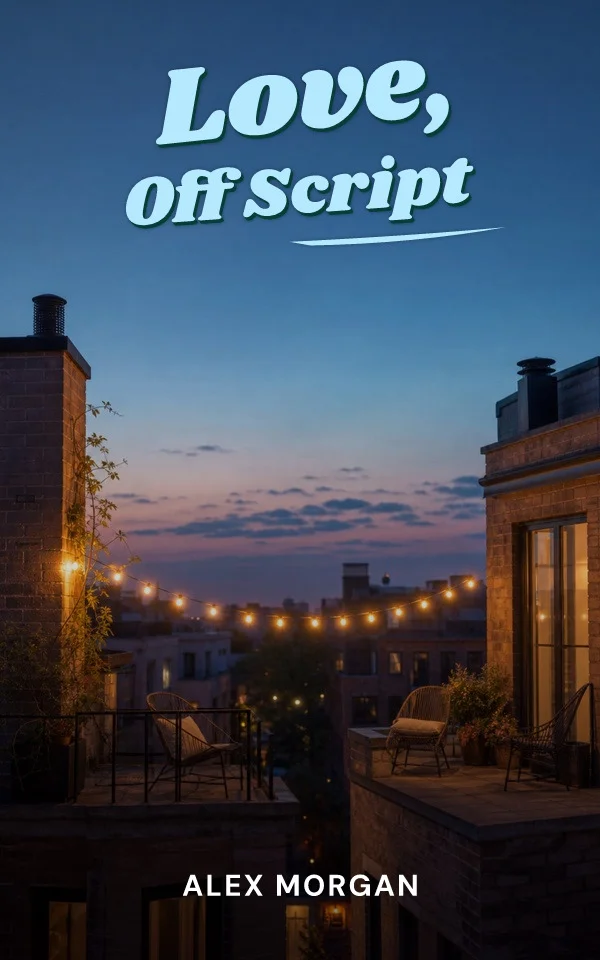
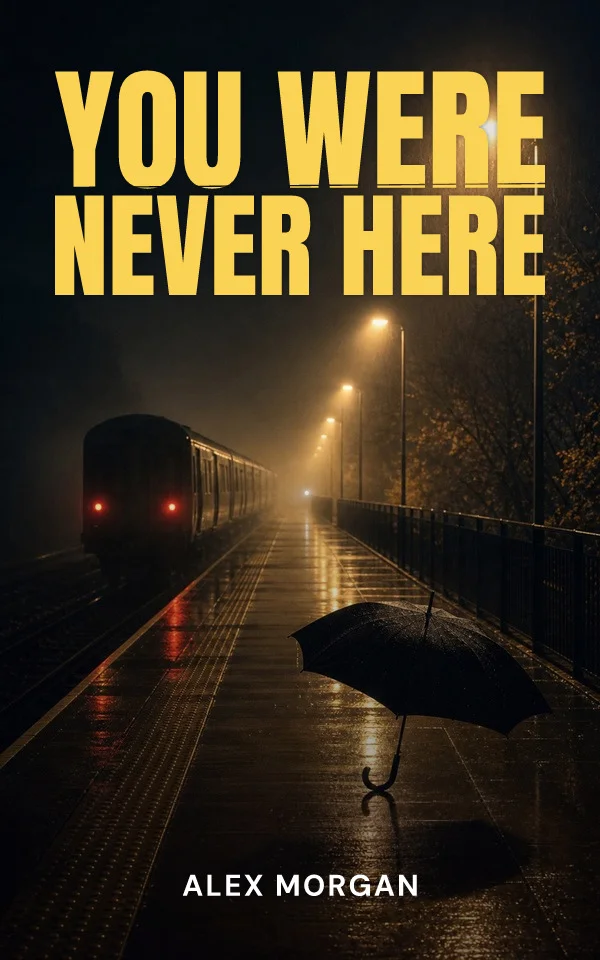
Start from your story, then try editable typography and artwork. Examples made with the Coverfairy editor: