
Free book dedication generator
Write a short, personal dedication for a partner, family member, friend, mentor, reader, or someone who has died, then carry the approved page into the book formatter.
Write a dedication that belongs in this book
25 wordsTwo-or-three-line target: 8–32 words. This version is in range.
- Names the intended recipient
- Uses a reason supplied by the author
- Keeps the page shorter than an acknowledgements section
- Has no quotation marks requiring a source check
Your inputs stay in this browser. The generator only reshapes the names and details you provide; it does not search for quotations or invent a relationship.
Quick answerA book dedication is a brief, personal statement naming the person or people to whom the author offers the book. The strongest dedication uses one true reason or shared detail, sounds like the author, and remains much shorter than the acknowledgements. It normally appears in the front matter after the copyright page.
What belongs on a book dedication page?
A dedication usually needs only a recipient and a reason: ‘For Lena, who kept the porch light on’ is already complete. Add a specific shared image or consequence when it deepens the line without requiring readers to know the whole story. The page is not a miniature author bio, thank-you list, promotional endorsement, or explanation of how the manuscript was produced. If five people need separate stories, move those stories to the acknowledgements and let the dedication make one clear emotional gesture.
Use a simple book-dedication template
Start with this structure: ‘For [person or group]—who [true contribution, quality, or memory].’ A slightly longer version can add: ‘[One concrete detail or image].’ For example: ‘For my sisters—who made every borrowed room feel like home. This one began at your kitchen table.’ Replace every bracket with language you would genuinely say to that person. A template should reveal the specific relationship, not flatten it into stock language about endless support, dreams, journeys, or believing in yourself.
Original dedication examples for family, partners, and friends
For family: ‘For Mum and Dad, who gave every unfinished idea somewhere safe to land.’ For a partner: ‘For Amina—my first reader, last light on, and favourite way home.’ For a friend: ‘For Jo, who knew when to ask about the chapter and when to make tea instead.’ For children: ‘For Eli and Sam. May you always keep the questions adults hurry past.’ These are original structural examples, not lines to copy blindly. Use the relationship, rhythm, and level of detail as models, then write the words only your recipient would recognize.
Write a memorial dedication without forcing consolation
A dedication to someone who died can name presence, influence, or a precise memory without claiming that grief produced a tidy lesson. Examples include: ‘For Daniel, whose laugh still arrives before every good story’; ‘In memory of Nnenna, who taught me to notice the quiet characters’; and ‘For Grandad—this is the ending I wish I could have read to you.’ Choose ‘For’, ‘In memory of’, or ‘For the memory of’ according to the voice you actually use. Avoid sharing medical details, private circumstances, or another person's grief without consent.
Make a funny dedication affectionate, not performative
A funny dedication works when the recipient is clearly included in the joke: ‘For Max, who asked whether the book was finished every Tuesday for four years.’ A playful line can release tension before the story begins, but it should not embarrass someone, expose a private conflict, or depend on readers mocking the recipient. Avoid internet jokes that will date quickly and do not reproduce a comedian, lyricist, film, or living author's wording. The generator creates new structures from your facts; it does not supply famous quotations.
Keep the dedication distinct from acknowledgements and epigraphs
The dedication offers the book to someone. Acknowledgements record practical, creative, emotional, or professional help and can name editors, readers, institutions, funders, family, and permissions. An epigraph is a quotation that frames the book and may require permission or careful rights review. Do not label a borrowed lyric or poem as a dedication to avoid that review. When the text begins ‘Thank you to everyone who…’ and grows into a list, it belongs in acknowledgements; when it borrows someone else's sentence, it is functioning as an epigraph.
Format the dedication as a real front-matter page
Most trade books give the dedication its own page after the title and copyright pages and before the contents, epigraph, preface, or main text, although house style and genre can vary. A heading is usually unnecessary. Keep the measure narrow, preserve deliberate line breaks, and place the block quietly rather than enlarging it to fill the sheet. The page participates in pagination even when its folio is not printed. Inspect the facing-page sequence in the final PDF and EPUB instead of assuming a blank-looking preview is harmless.
Run a privacy and permanence check before publication
Confirm every name, spelling, nickname, pronoun, relationship, and memorial date you include. Ask whether the named person would recognize the sentiment and be comfortable seeing the detail in a public, permanent edition. Children, clients, patients, students, private communities, and people connected to sensitive events deserve particular care. A dedication can use a role, initials, or an unnamed group when full identification is unnecessary. Read the line aloud without the surrounding form fields; if it sounds like a generic greeting card, restore one honest detail and remove one adjective.
Carry the approved dedication into the formatted book
Copy the final line into the manuscript source, or use the Coverfairy handoff to keep it available when you paste the manuscript into the formatter. Coverfairy recognizes the Dedication heading as front matter, places the section in the opening sequence, and includes it in the real typeset page count that later determines the print spine. For an uploaded Word document or EPUB, add or verify the dedication inside that source file before import. Always inspect the page, surrounding blanks, line breaks, and folio sequence before export.
Frequently asked questions
Is this book dedication generator free?
Yes. Generate, edit, audit, and copy a dedication without an account. The text stays in your browser unless you choose the temporary formatter handoff.
How long should a book dedication be?
Many effective dedications are one sentence or roughly 3–32 words. A short paragraph can work when every detail belongs, but a list of thanks should move to the acknowledgements.
Where does the dedication page go?
It normally appears in the front matter after the copyright page and before the contents, epigraph, preface, or main text. Publisher or house style can change the exact sequence.
Can I dedicate a book to someone who died?
Yes. ‘In memory of’ or a direct ‘For’ can name the person and one true memory without forcing grief into a lesson or sharing private circumstances.
Can the generator add the dedication to my book?
Yes for pasted manuscript text: save the approved line, open the Coverfairy formatter, and the dedication is added as an explicit front-matter section. For Word or EPUB uploads, add or verify it in the source file before import.
Should I use a famous quote in a dedication?
Not by default. A borrowed lyric, poem, or published sentence functions like an epigraph and can raise permission questions. Write an original line from your own relationship instead.
Put the idea on your own book.
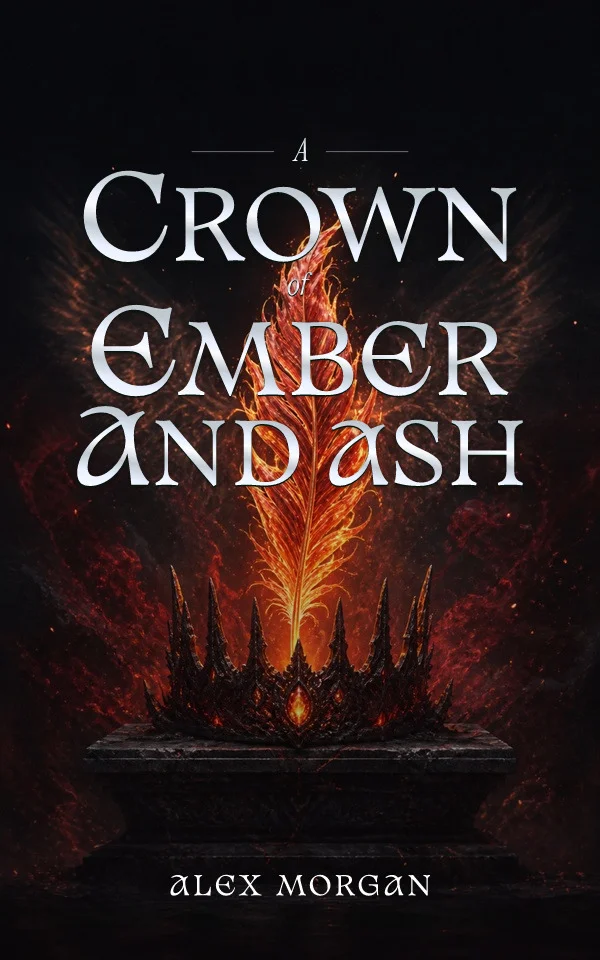
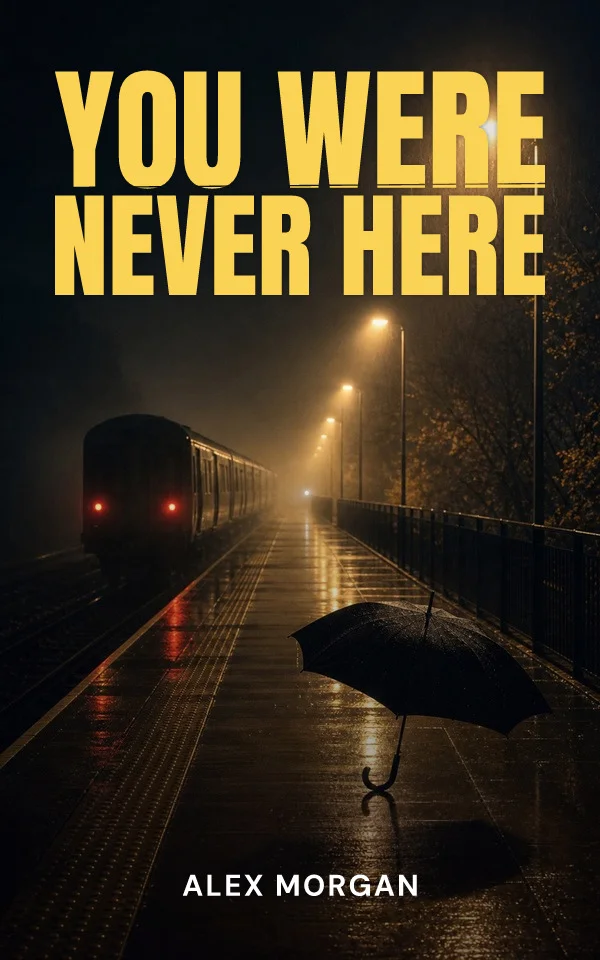
Start from your story, then try editable typography and artwork. Examples made with the Coverfairy editor: