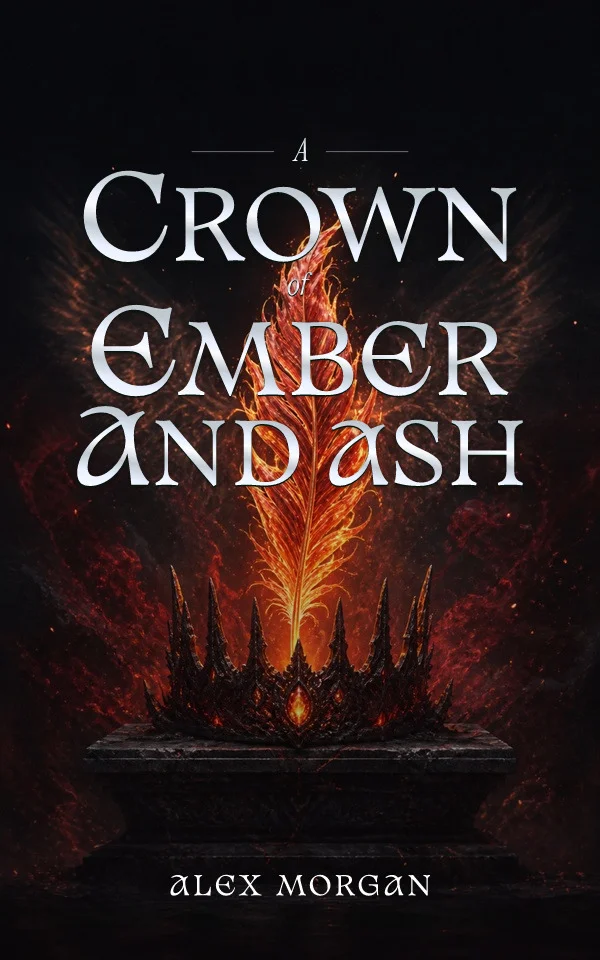


Genre signals help a reader predict the experience inside a book. They are useful because they compress tone, scale, setting, and emotional stakes into a quick visual promise. Trouble begins when signals are treated as a checklist and every title acquires the same crown, couple, spaceship, or distressed capital letters.
Research patterns, not individual covers
Collect a current shelf and label repeated decisions: title scale, type category, image distance, focal subject, palette, density, and author hierarchy. Look for clusters and exceptions. The goal is to understand the visual grammar readers already use, not to reproduce the most successful surface.
Choose the signal that matches this story
A fantasy novel may be intimate rather than epic; a romance may be comic, dangerous, historical, or reflective. Select the one or two category signals that clarify the actual reading experience, then let a story-specific object, relationship, location, or contradiction provide distinction.
Build recognition across a series
Repeat a title architecture, author position, palette rule, crop logic, or ornamental system rather than the entire scene. Each book needs its own focal idea while remaining recognizable at a glance. A structured cover makes those persistent rules editable instead of locking the series into flattened artwork.
Test belonging and difference together
Place the final cover among books for the intended reader. Ask two questions: does it clearly belong here, and is there a reason to notice it? If it belongs but disappears, strengthen the focal idea. If it stands out for the wrong reason, restore a clearer category signal without copying a competitor.
By Coverfairy Editorial · Published · Updated