







How do you choose a book cover design idea?
Start from the reader promise, not from decoration. Name the genre, the emotional tone, and the single idea a browsing reader must understand, then choose the structure that carries it: one symbol, one figure, a landscape, pure typography, collage, illustration, photography, or abstraction. A direction earns its place when it still communicates at thumbnail size beside current books aimed at the same readers.
What makes a book cover design look professional?
Deliberate hierarchy and restraint. Establish one focal point, give the title a clear silhouette, control contrast so the eye moves in a planned order, and remove every element that does not serve the promise. Most weak covers fail from crowding — competing images, decorative fonts, and stacked effects — rather than from a shortage of ideas.
Should the title or the artwork lead the design?
Let the stronger asset lead. A precise, evocative title can carry a typographic cover with minimal imagery, while a striking image may need only a quiet, well-set title. Decide which element makes the promise before designing, then subordinate the other. When both compete at equal strength, the cover usually loses clarity at storefront size.
Turn inspiration into a distinct cover
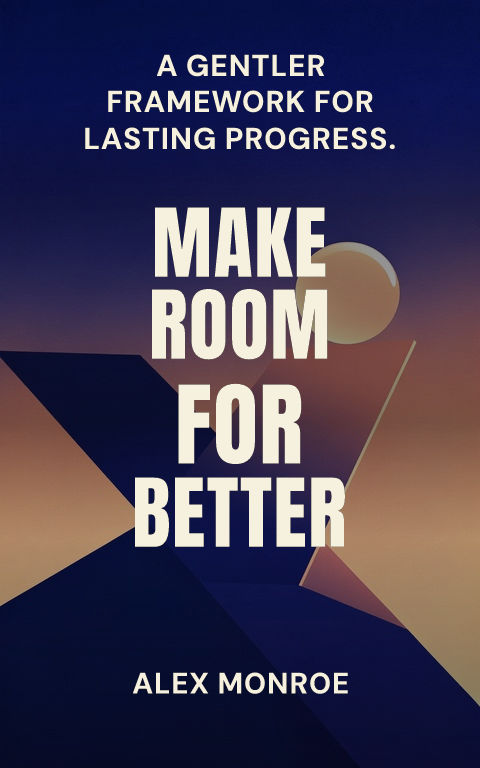
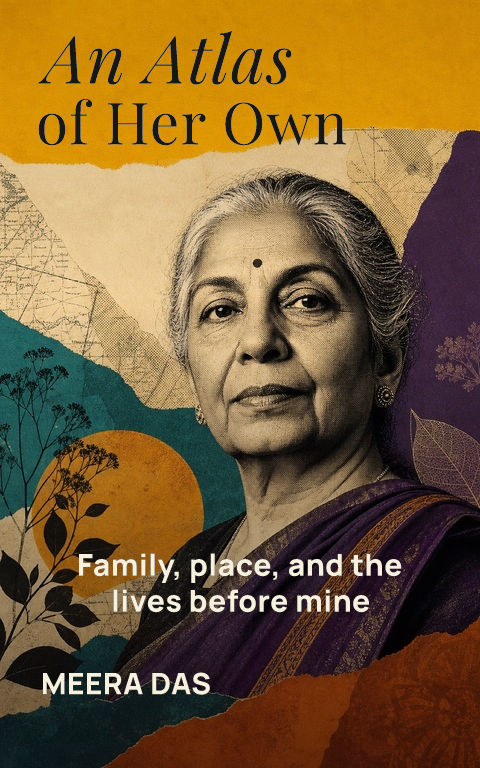
Compare the structural choice behind each example: one symbol, one world, one person, a cinematic crop, a graphic field, illustration, abstraction, or storybook detail. Select the structure that carries the manuscript's clearest promise.
Study the composition, title hierarchy, crop, contrast, and repeated motif, not the surface details. Change the subject, palette, type family, and visual rhythm until the result belongs to the new story.
Start with a blank cover