


What makes a thriller cover create tension?
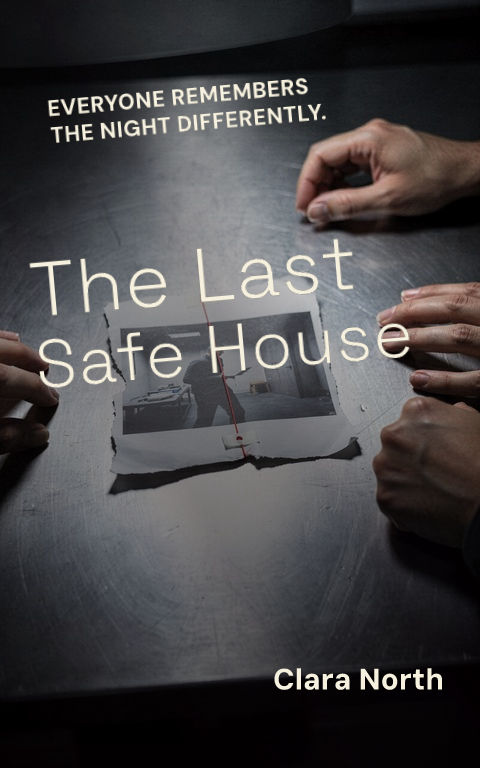
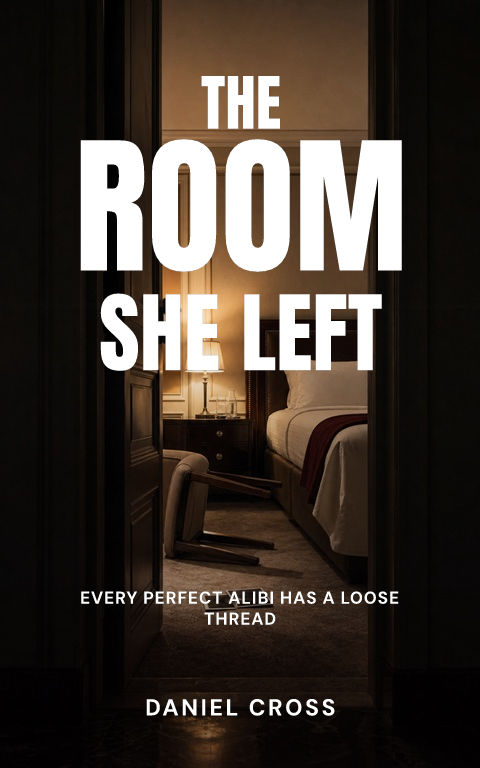
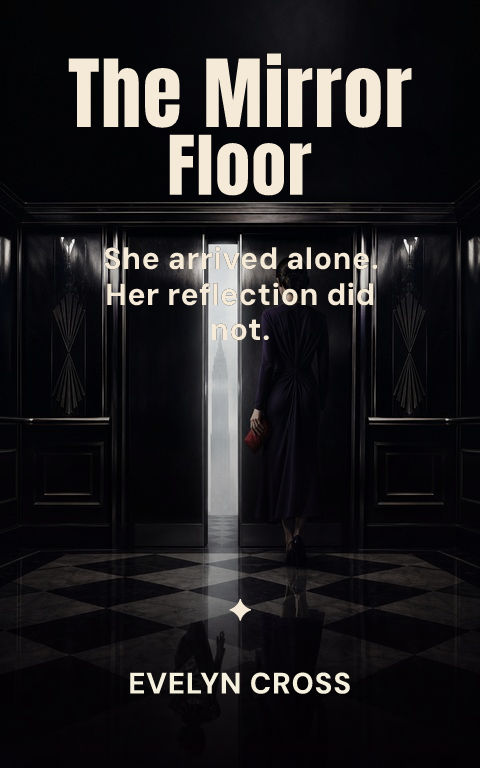
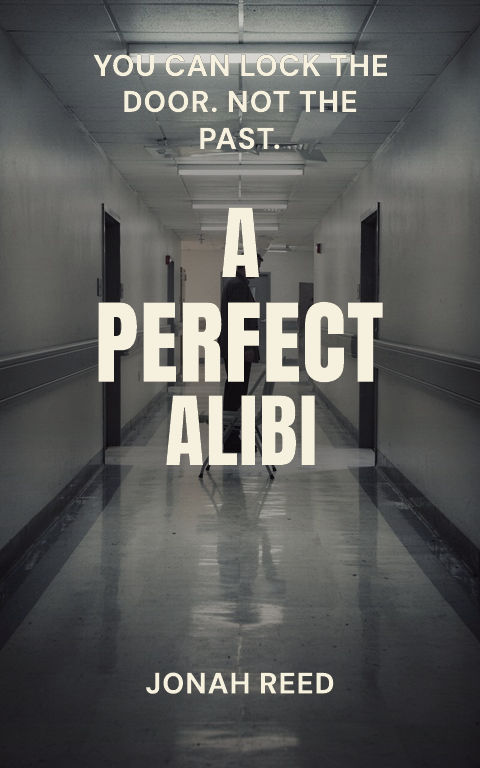
Withheld information. An isolated figure, an emptied setting, a partial view, or a broken pattern implies danger without illustrating it. High contrast, restricted palettes, and bold condensed type reinforce the urgency. The cover should pose a concrete question — who is missing, what happened here — that the blurb sharpens and the book answers.
Which colors work on thriller covers?
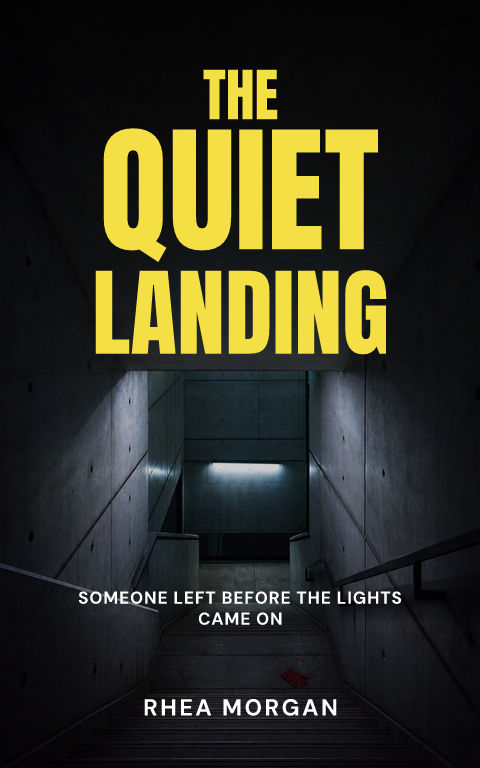
Restraint outperforms saturation. Black, white, and one aggressive accent remain dominant because they read instantly at thumbnail size and hold up against busy storefront grids. A full-color scene can work for domestic suspense, but it usually needs darkness or emptiness somewhere in the frame to carry the genre signal.
How do thriller subgenres differ visually?
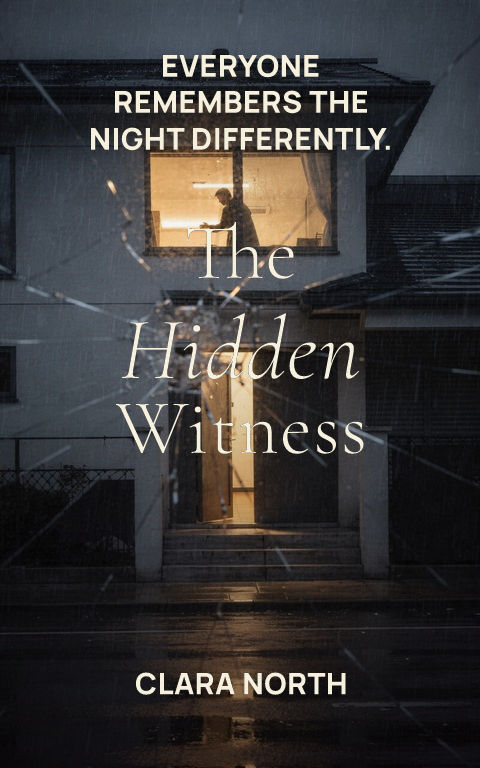
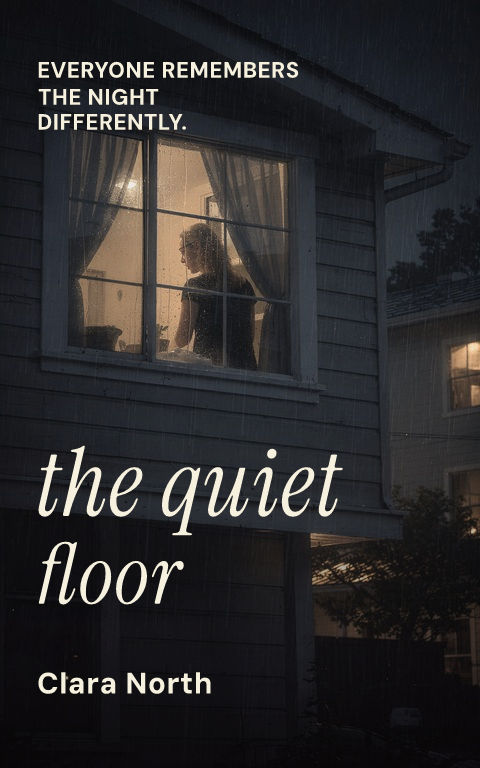
Domestic suspense favors ordinary settings made wrong: houses, windows, and gardens with one unsettling detail. Psychological thrillers lean on faces, fragments, and distortion. Action and pursuit stories use motion, landscape scale, and heavier type. Identify which promise the manuscript makes and borrow structure from that shelf, not from thrillers generally.
Turn inspiration into a distinct cover
Compare the structural choice behind each example: one symbol, one world, one person, a cinematic crop, a graphic field, illustration, abstraction, or storybook detail. Select the structure that carries the manuscript's clearest promise.
Study the composition, title hierarchy, crop, contrast, and repeated motif, not the surface details. Change the subject, palette, type family, and visual rhythm until the result belongs to the new story.
Start with a blank cover