






What must a children's book cover do for two audiences?
It sells twice. The child must want the story, and the adult must trust it. Expressive characters, clear emotion, and readable action attract young readers; craft quality, age-appropriate signals, and legible titling reassure the buying adult. A cover that only charms adults, or only excites children, underperforms with both.
How does the target age change the cover?
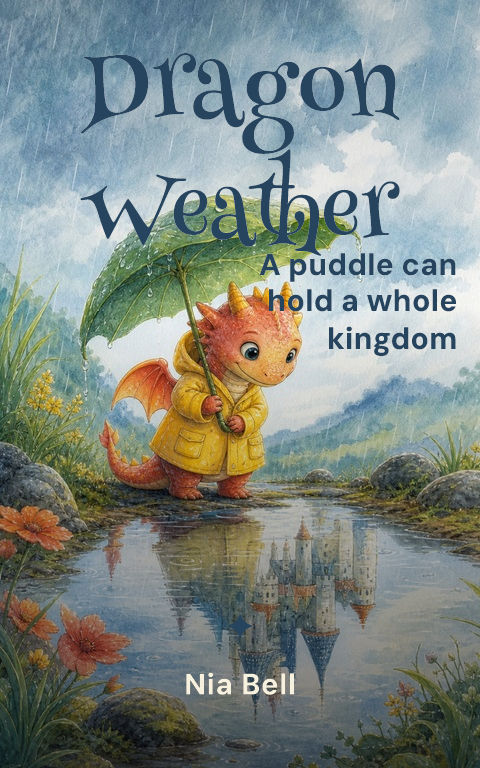
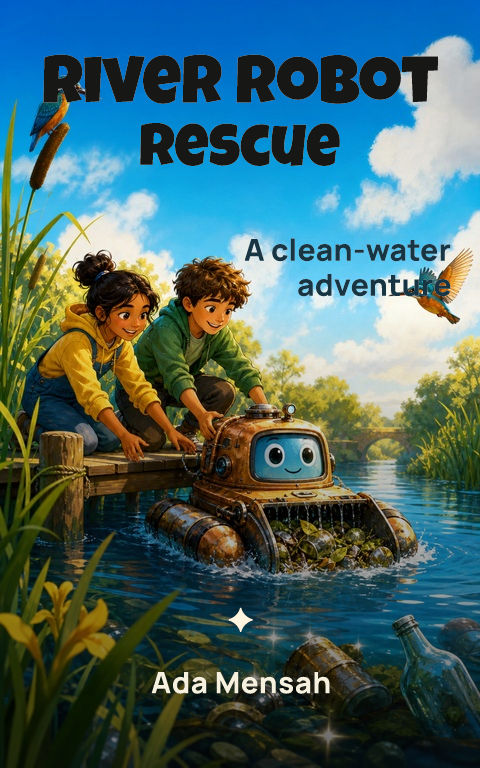
Picture-book covers lead with one large, warm character moment and friendly type. Early readers and chapter books add motion and humor. Middle-grade covers shift toward adventure, world detail, and slightly higher stakes with more sophisticated typography. Matching the visual maturity to the reading level is the fastest trust signal a parent receives.
Should a children's cover show the main character?
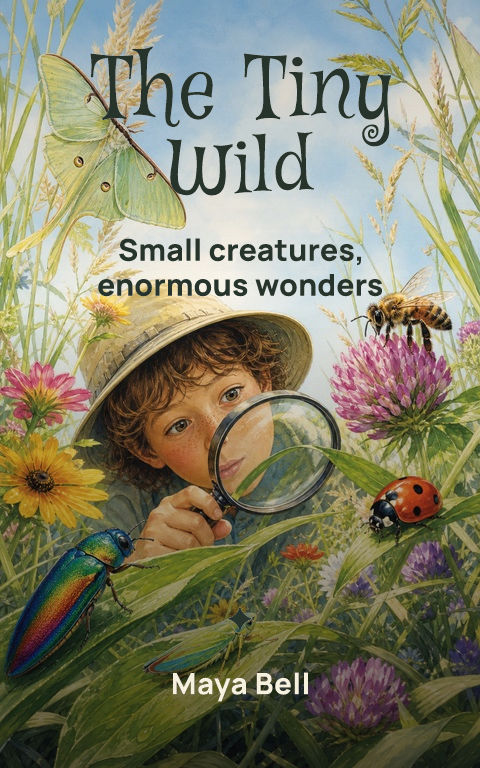
Usually, and with visible emotion, because children choose by identification. The protagonist's expression and activity carry the promise. Keep the cover character consistent with the interior art, leave room for a series treatment, and confirm the face still reads at the small sizes where most digital discovery happens.
Turn inspiration into a distinct cover
Compare the structural choice behind each example: one symbol, one world, one person, a cinematic crop, a graphic field, illustration, abstraction, or storybook detail. Select the structure that carries the manuscript's clearest promise.
Study the composition, title hierarchy, crop, contrast, and repeated motif, not the surface details. Change the subject, palette, type family, and visual rhythm until the result belongs to the new story.
Start with a blank cover