

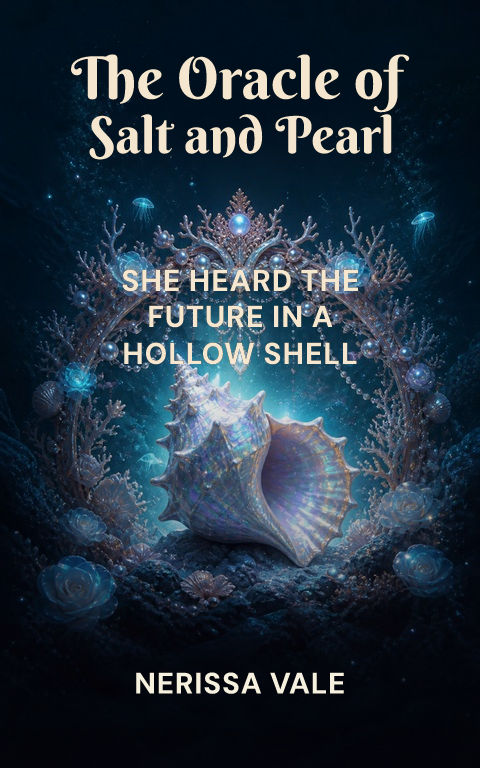
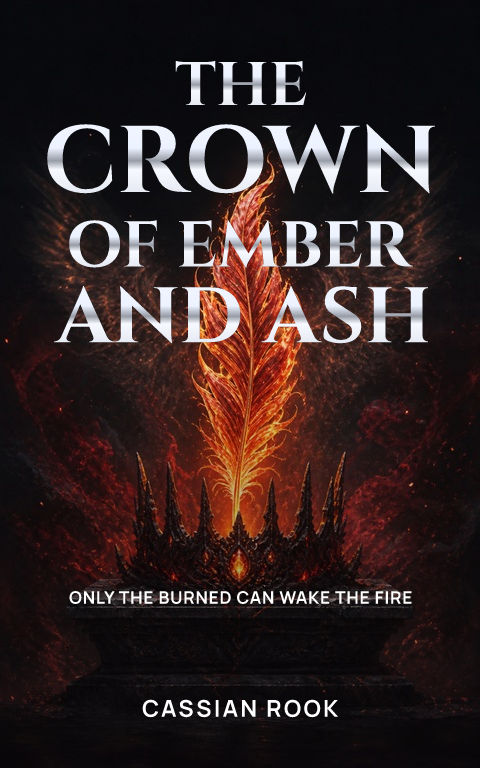
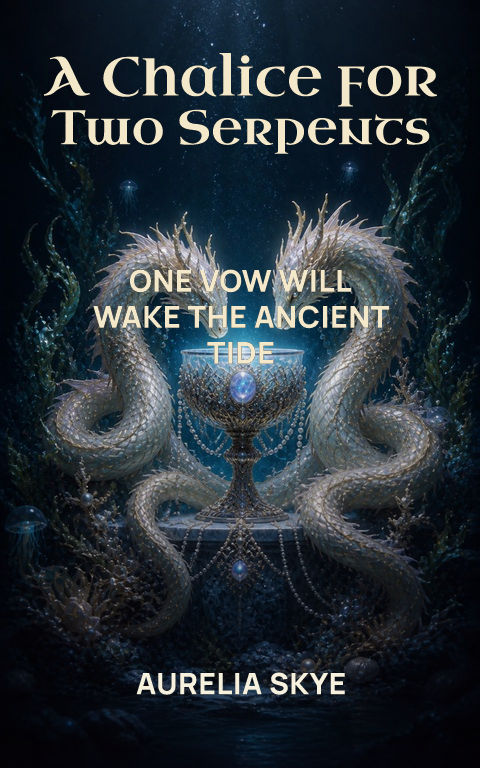
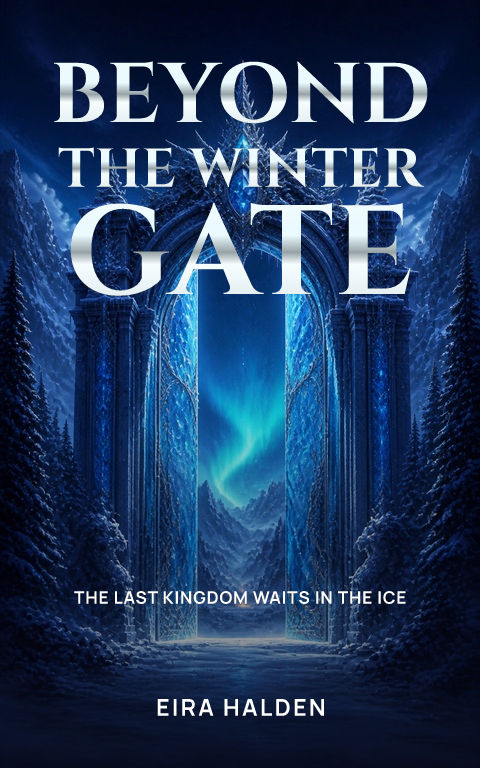

What should a fantasy book cover signal first?
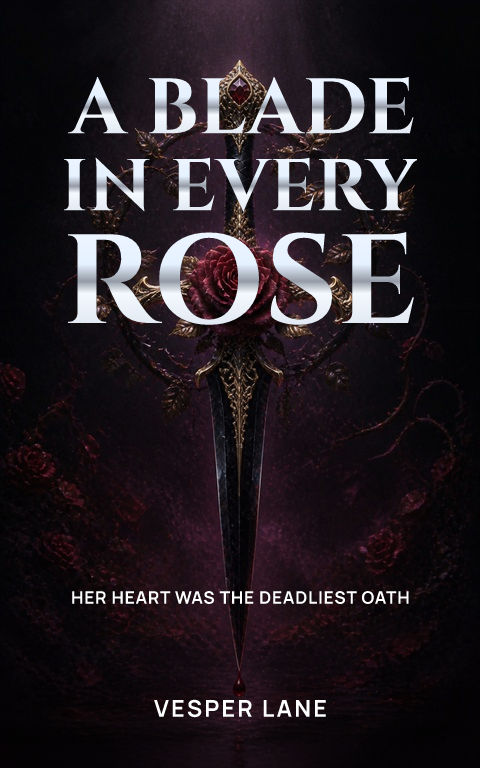
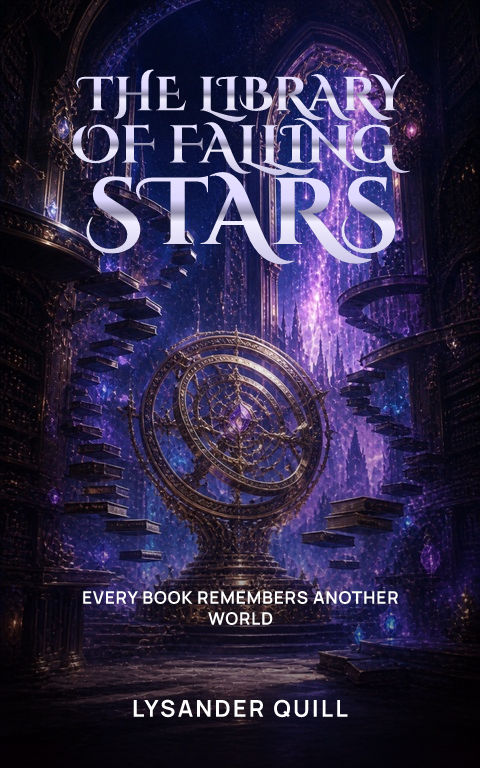
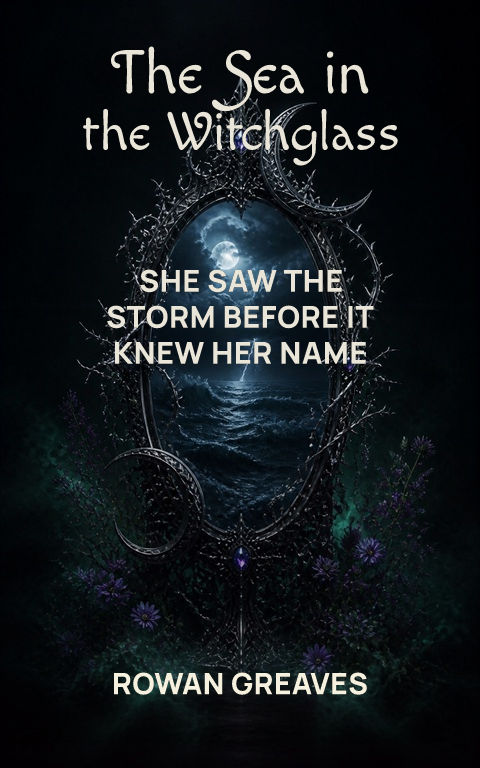
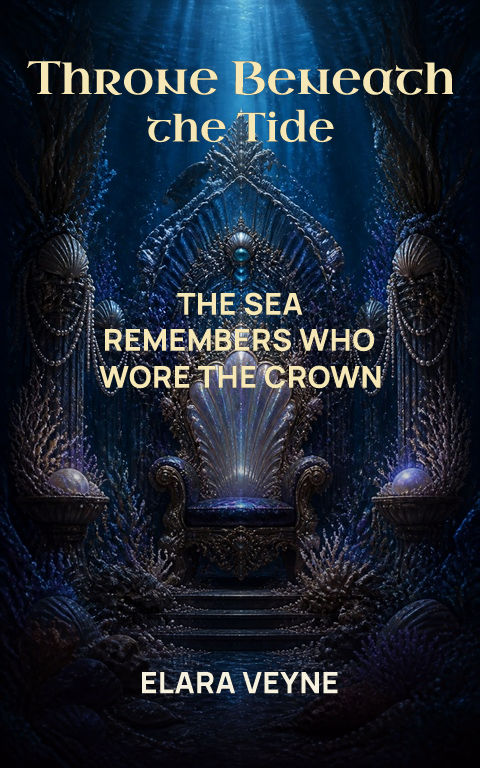
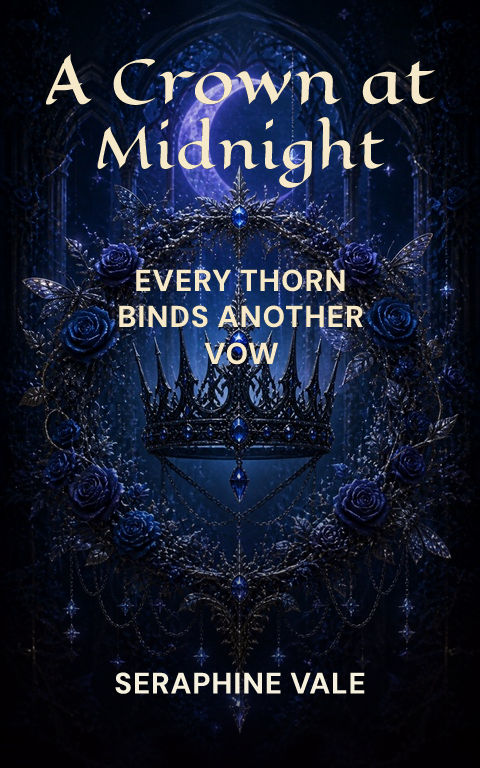
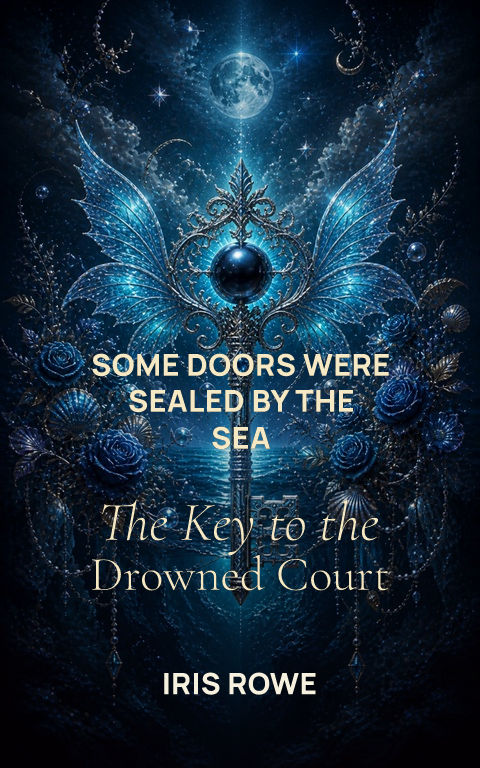
The subgenre contract. Epic fantasy promises scale and consequence, romantasy signals wonder and desire together, dark fantasy leads with threat, and cozy fantasy leads with warmth. Readers filter by these signals in seconds, so choose the palette, type, and imagery that match the shelf the book actually belongs to before refining any detail.
Which fantasy cover elements feel overused?
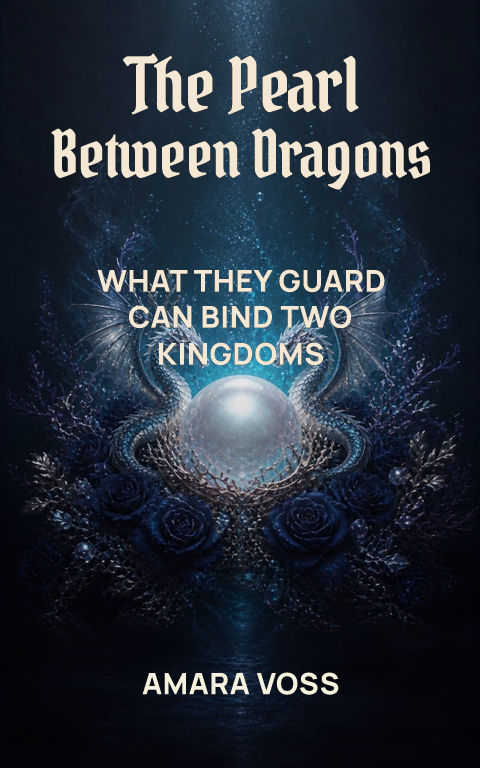
Hooded figures, generic glowing swords, and interchangeable dragon silhouettes are common because they work as category signals; the problem is using them without anything specific to the manuscript. Keep the familiar structure and replace the object — a relic, map fragment, sigil, or landscape that belongs only to this world makes the same promise without looking like every neighboring cover.
How do fantasy covers work as a series?
Build a repeatable architecture: consistent title placement, author scale, and type family, with one changing element — the central symbol, the palette, or the landscape — carrying each book's identity. Test the system against the longest planned title and the darkest planned installment before committing to the first cover.
Turn inspiration into a distinct cover
For fantasy, compare what each direction promises: intimate magic, epic distance, dangerous court politics, folklore, or gothic threat. Keep the category legible, then replace the default relic, landscape, portrait, or sigil with one specific to the manuscript.
Study the composition, title hierarchy, crop, contrast, and repeated motif, not the surface details. Change the subject, palette, type family, and visual rhythm until the result belongs to the new story.
Start with a blank cover