


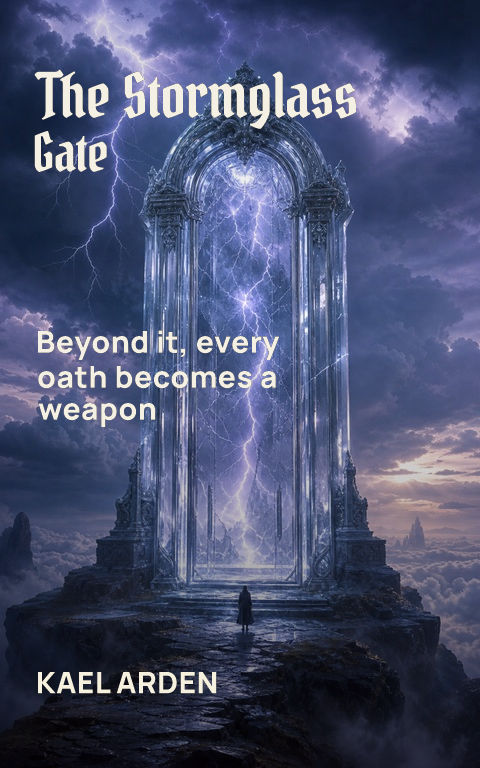
Symbol-first
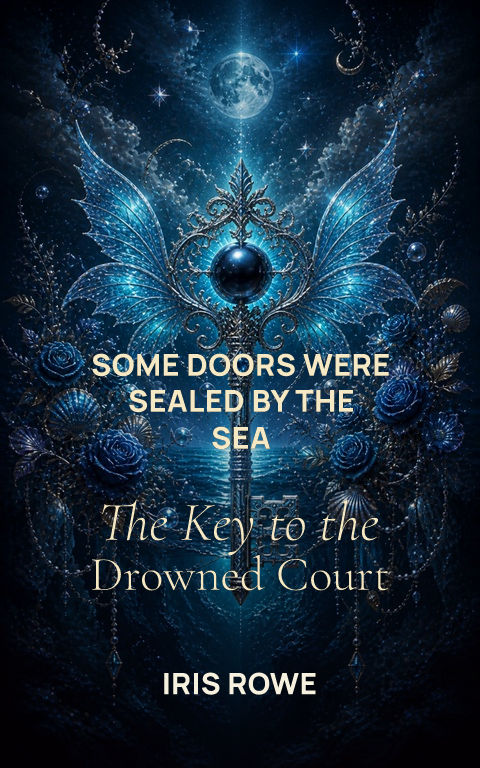
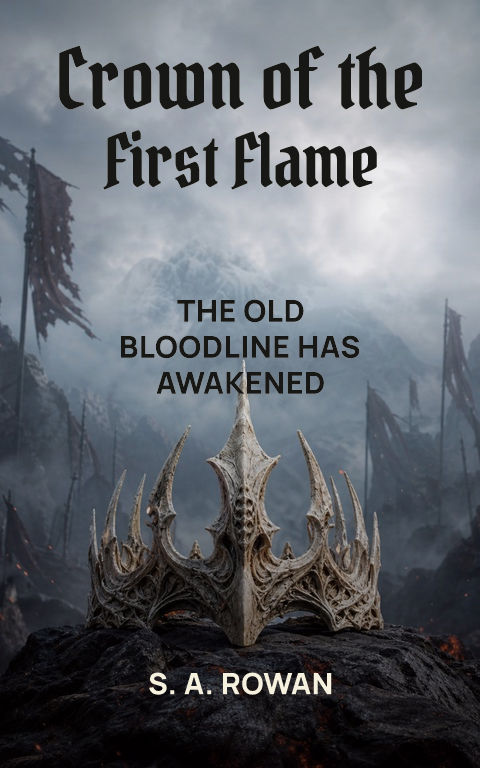
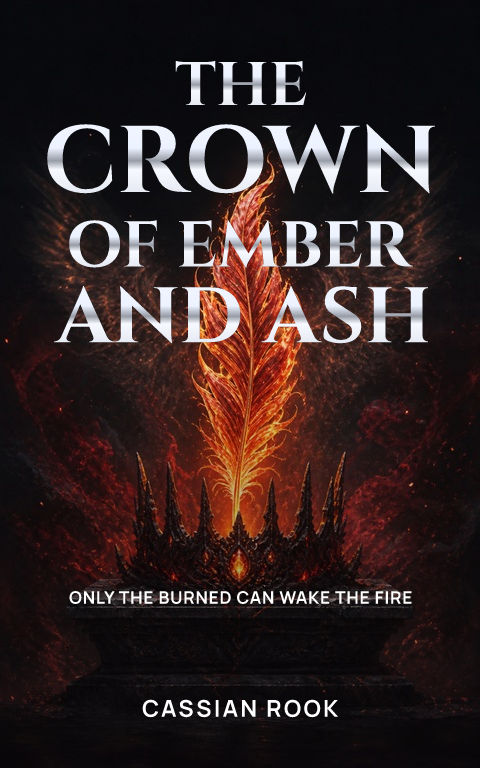
Use one memorable relic when the story revolves around an oath, crown, key, or weapon.

Build around world, wonder, and a promise of scale. Start with eight distinct directions, then replace the art and edit every type layer.
How do you make a fantasy book cover?Start from world, wonder, and a promise of scale, then keep the title, subtitle, author, and series lines as editable typography over replaceable artwork. A watermarked draft is free; an active pass unlocks the full-resolution ebook file, calculated KDP print wrap, and Interior exports.
Choose a template to open it with editable type and artwork.
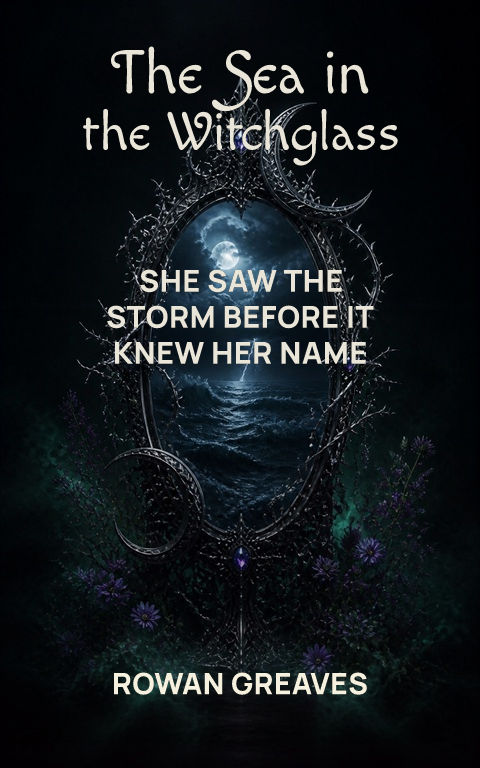
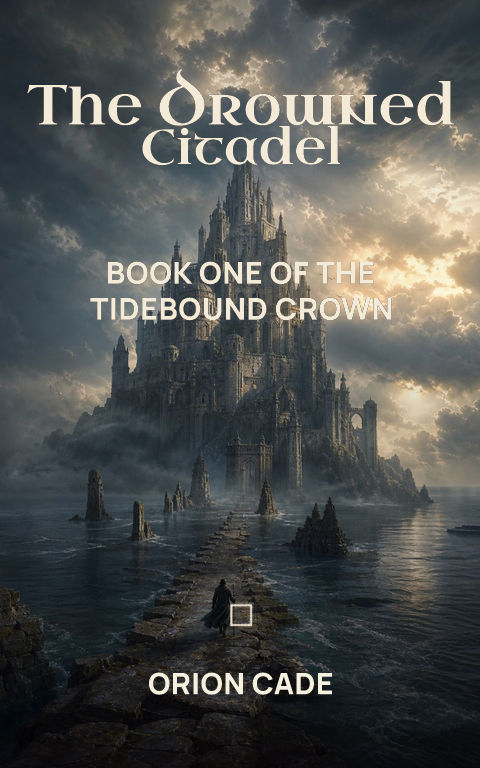
A fantasy cover has to establish a world before the reader opens the first page. The strongest designs choose one dominant promise, mythic scale, intimate magic, court intrigue, or dangerous wilderness, and build the hierarchy around it. A symbolic object can be more distinctive than a crowded character montage, particularly when a series needs a repeatable visual system.
Typography should feel authored rather than generically medieval. High-contrast serifs, carved capitals, and restrained ornament can signal the genre without copying familiar franchises. Keep the title silhouette readable at retailer-thumbnail size; detail belongs in the artwork and border, while the title needs a clean field, deliberate line breaks, and enough contrast to survive compression.
For print, extend atmosphere across the spine and back instead of mirroring the front. Leave clear space for the blurb, barcode, and spine lettering. Coverfairy keeps those panels in one document, so the front-cover composition remains consistent in the full wrap and marketplace thumbnail.
Check the cover at storefront size: the title and focal image should still read clearly. For print, keep important details away from trim and leave a calm back-cover area for copy and barcode.
Hire a genre specialist when the cover needs bespoke illustration, a precise character likeness, deep market interpretation, or a series identity with meaningful commercial stakes. As a budget reference, professional cover design on Reedsy's marketplace averaged $880 across collaborations completed in 2025, with most projects between $625 and $1,250; the cover design cost guide compares the current routes. Review portfolios aimed at the same readers and confirm concepts, revision rounds, image and font rights, print formats, and later spine changes in the quote.
Coverfairy is the author-operated option. The editor stays free while you test uploaded artwork and typography; a $6 Week Pass includes calculated KDP files, an ACX square, and every Interior export for 7 days. Choose this route when you want direct control. Move to a specialist when the brief needs more art direction than you can supply.
Use one memorable relic when the story revolves around an oath, crown, key, or weapon.
Reserve the upper third for type and let depth carry epic scale.
Keep faces expressive, but separate the title from hair and facial detail.
Yes. You can explore templates and export a watermarked draft before purchasing production files.
Yes. Upload your own image, select curated art, or generate text-free artwork while the title stays editable.
Yes. The front, spine, back, ebook, and thumbnail come from the same editable cover.