
How do you write a useful designer brief?
Give the designer the exact title and author wording, genre, intended reader, one-sentence promise, tone, required formats, deadline, comparable titles, and factual constraints. Explain what the references communicate without asking for a copy. Separate fixed requirements from ideas the designer can challenge. A clear brief makes quotes more comparable and leaves room for professional judgment.
Which portfolio evidence matters?
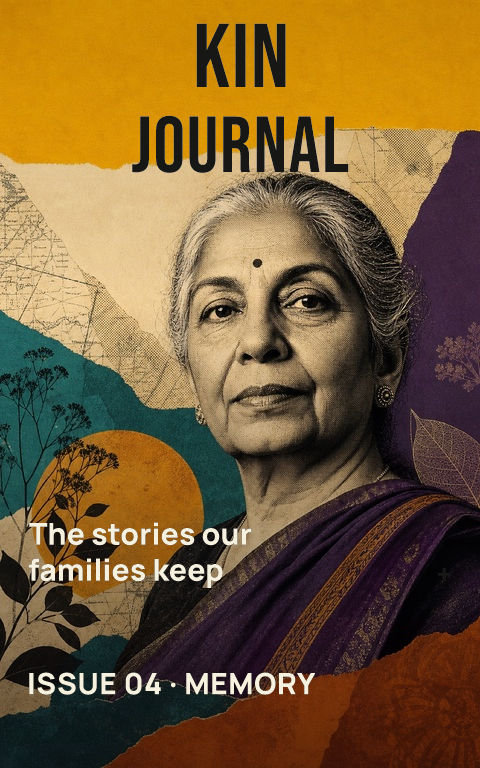
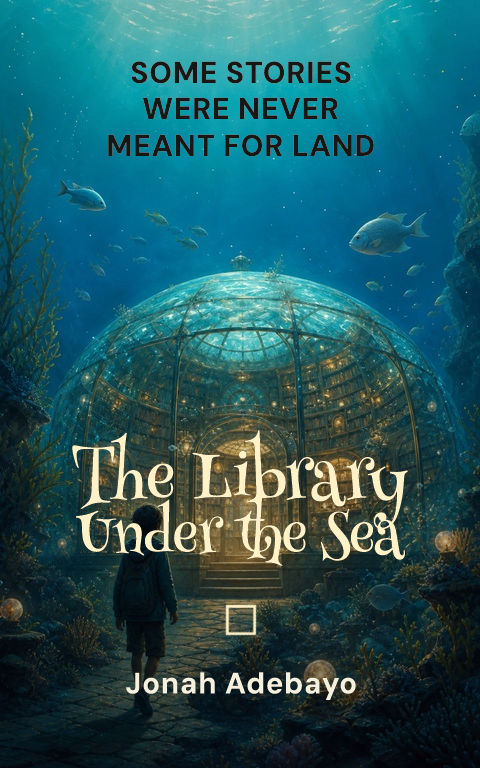
Look for readable thumbnails, controlled typography, distinct concepts within the same genre, and complete print wraps where print is part of the job. Ask how the designer sources images and fonts. For a series, inspect whether multiple books feel related without becoming interchangeable. Testimonials are useful, but the work and the contract should carry the decision.
What if the budget does not support a custom designer?
A premade can provide professional craft at a lower price when an existing concept genuinely fits. An author-operated studio is another option when the author wants to make every visual decision. Coverfairy's $6 Week Pass produces editable typography, Cover and Interior files, and every publishing format from saved projects for 7 days. Use it for direct control, and move to a human designer when the brief calls for custom illustration or deeper art direction.