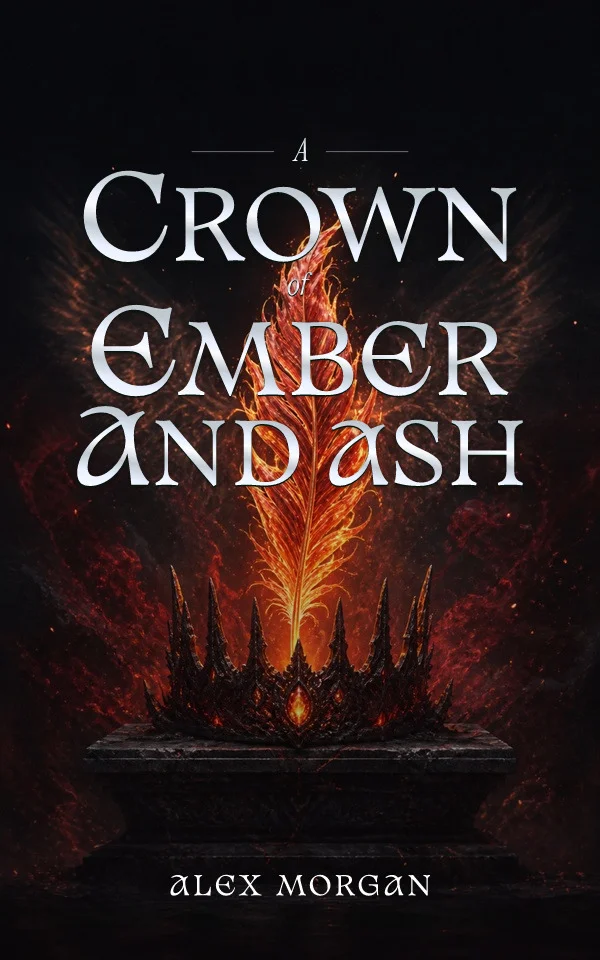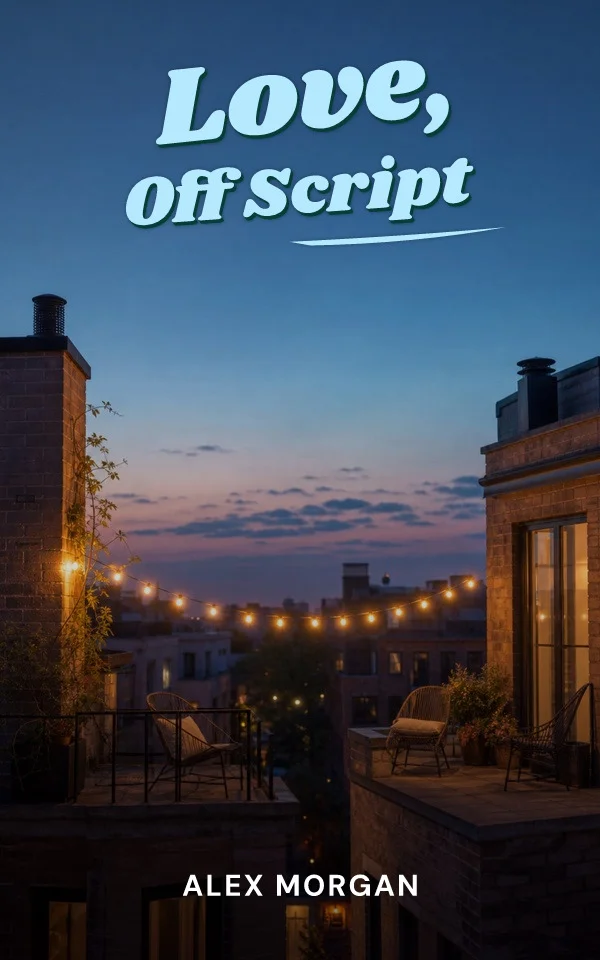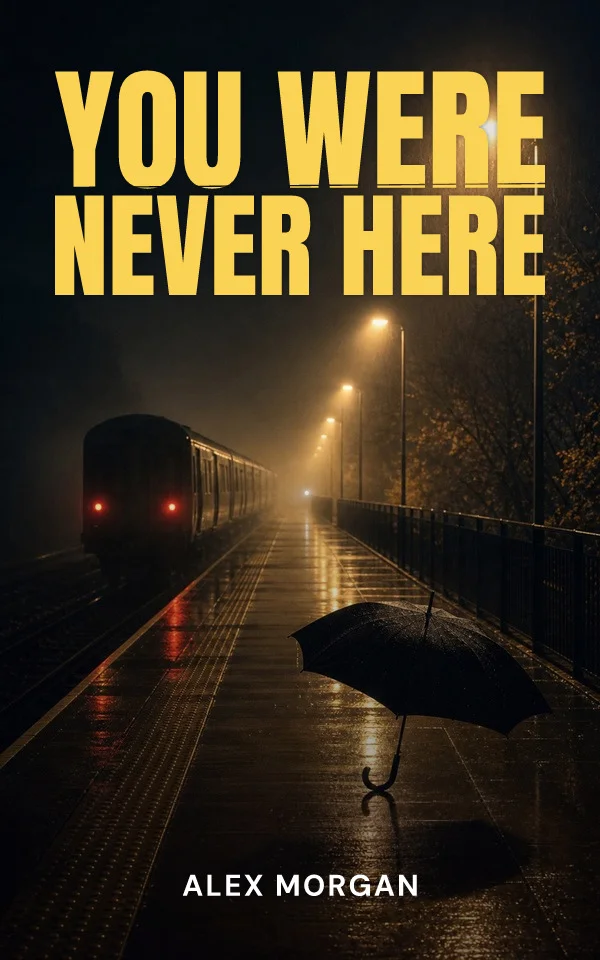

Choose premade when the match is already convincing
A premade is not a lesser custom cover; it is a finished visual direction sold to the manuscript that fits it. Check whether the title length, character implications, setting, age category, and genre promise all align. Confirm that the artwork is sold once, what text changes are included, and whether paperback, hardcover, or audiobook adaptations cost extra.
Do not buy a merely attractive cover and force the positioning around it. A mismatch between image and reader promise is expensive even when the file itself is affordable.
Choose custom when interpretation is the product
Custom work is most valuable when the designer's judgment matters: a difficult concept, a distinctive protagonist, high series stakes, or a crowded category where small positioning choices affect trust. Brief the audience and emotional promise, not only a list of objects. Agree on concepts, revision rounds, timeline, licensed assets, formats, and source-file expectations before work starts.
A professional relationship also gives you someone to challenge a weak initial idea. That editorial design judgment is the part automated routes cannot guarantee.
Choose AI-assisted work when you can direct and finish
Generation compresses visual exploration, but it does not remove typography, hierarchy, market research, provenance, or print production. Keep lettering outside generated artwork, document the provider and terms, inspect hands and faces, and check whether a similar output could be produced for another user. Use the image as one editable layer rather than treating it as a finished cover.
A structured editor can make this route safer by preserving live type, artwork versions, back-cover copy, and production geometry. It still does not replace taste or a specialist designer on a high-risk launch.