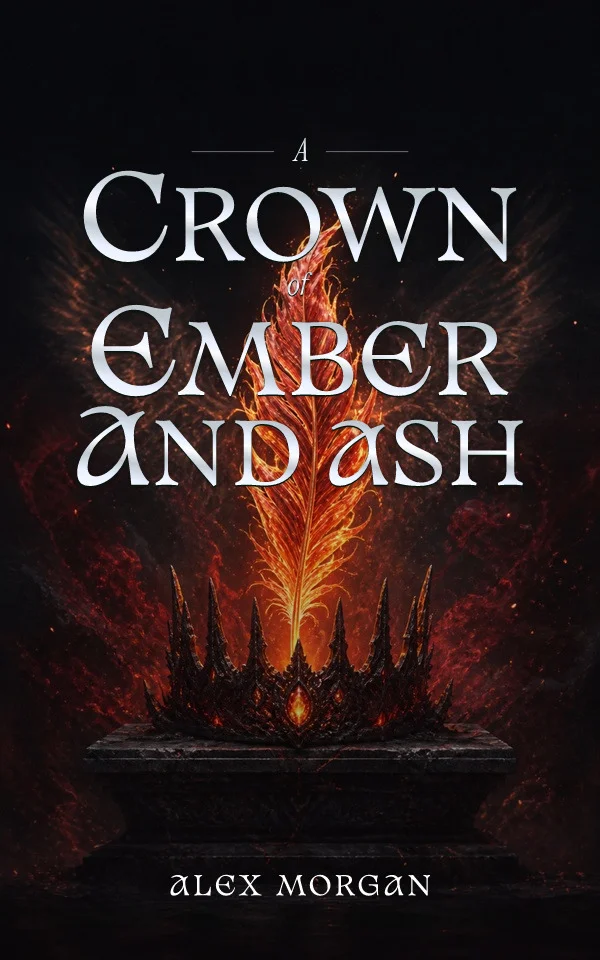

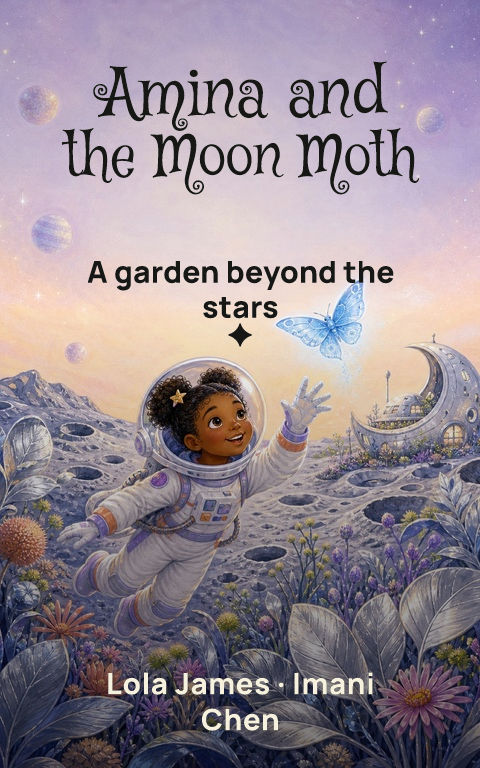
Artwork style changes how quickly a cover communicates realism, tone, character, and category. The best choice is not the most fashionable treatment; it is the visual language that makes the book's promise clear and gives the title enough space to lead.
Use photography for immediacy and specificity
Photography can make character, place, fashion, and emotional tone feel immediate. It works especially well when a convincing subject and setting are central to the promise. Check releases, licensing, retouching, and whether the crop leaves a coherent title field.
Use illustration to control the world
Illustration can unify invented settings, stylize characters, and establish a distinctive series voice. Its level of detail should match the audience and format: a richly painted fantasy scene behaves differently from a flat contemporary-romance illustration or energetic manga composition.
Use symbols when one object can carry the premise
A relic, flower, tool, garment, diagram, or impossible object can create a memorable thumbnail and a repeatable series system. The object needs story-specific meaning; a generic crown, key, or sword does not become distinctive merely because it is centered.
Use abstraction when tone matters more than scene
Shape, color, texture, and typographic relationships can signal literary, conceptual, or experimental work without illustrating a plot. Abstract covers demand especially strong hierarchy because the title and image must establish meaning together rather than relying on a recognizable subject.
By Coverfairy Editorial · Published · Updated