
The absent object
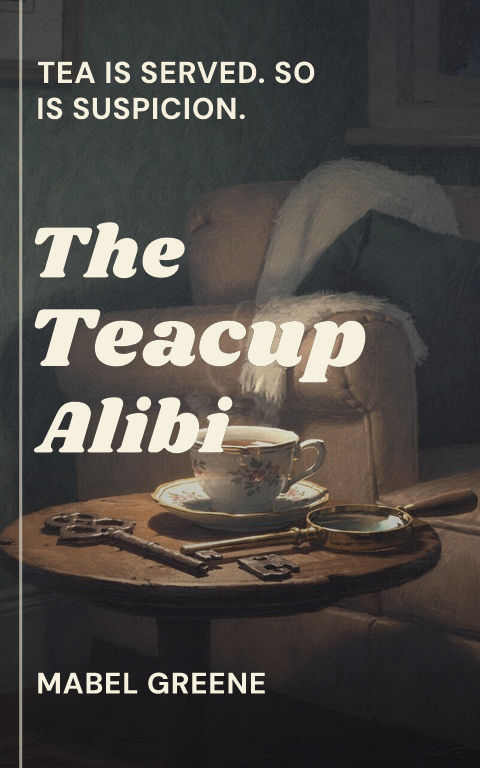
Build the composition around the space where one important thing should be.

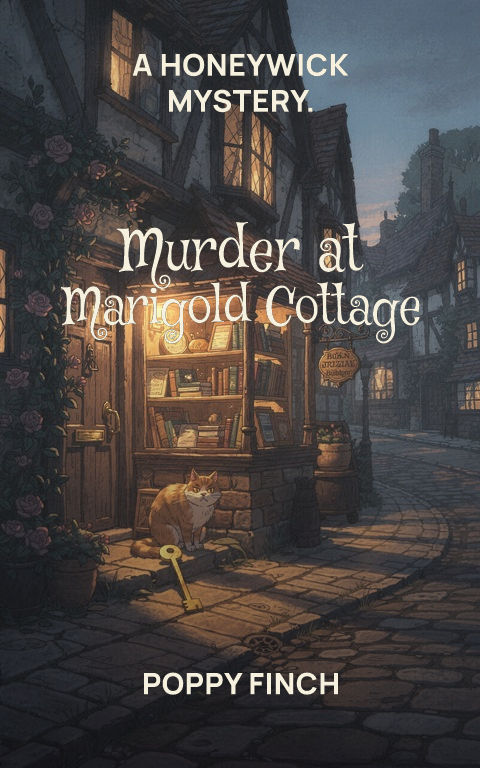
Build around a question, a clue, and the particular world of the investigation. Start with eight distinct directions, then replace the art and edit every type layer.
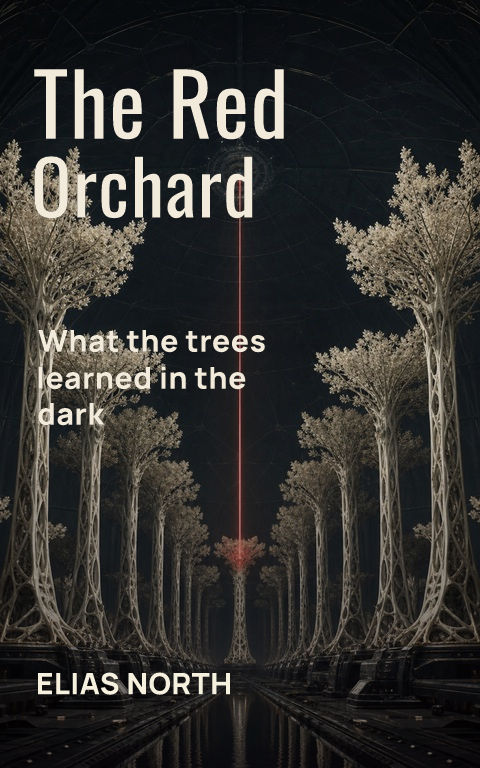
How do you make a mystery book cover?Start from a question, a clue, and the particular world of the investigation, then keep the title, subtitle, author, and series lines as editable typography over replaceable artwork. A watermarked draft is free; an active pass unlocks the full-resolution ebook file, calculated KDP print wrap, and Interior exports.
Choose a template to open it with editable type and artwork.
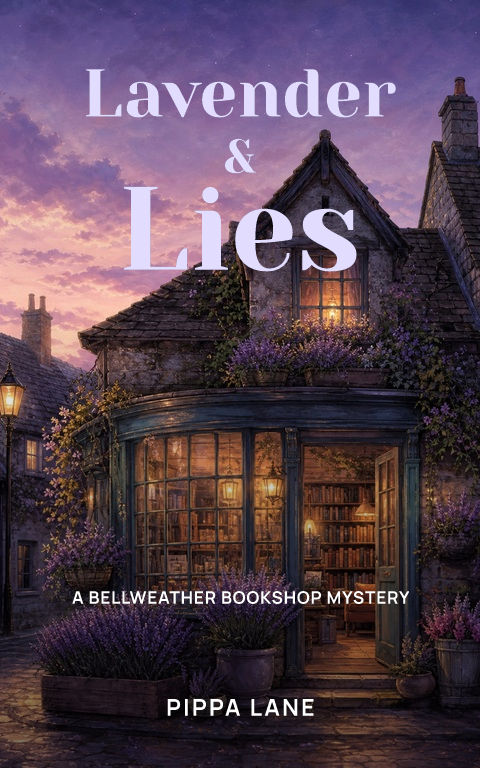
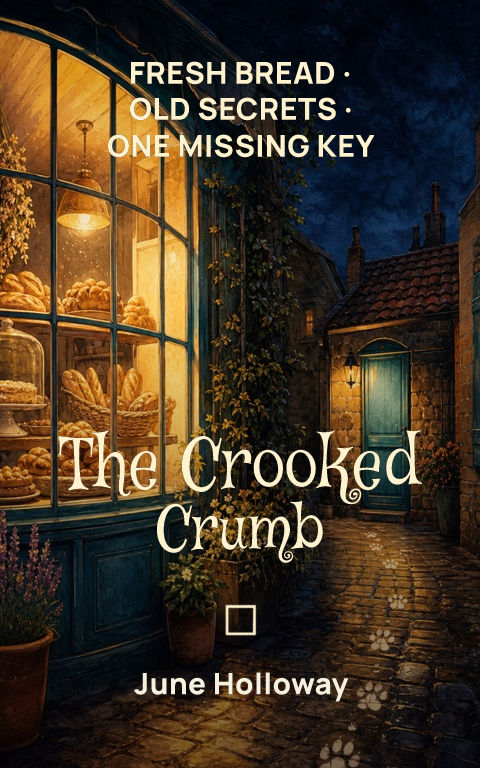
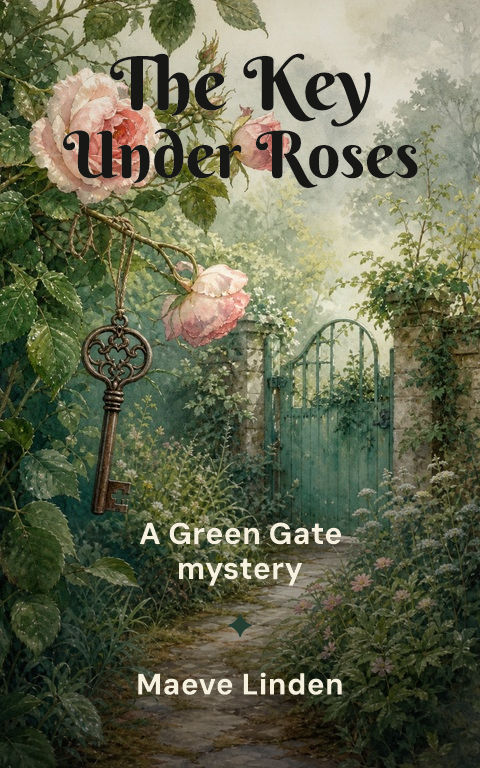
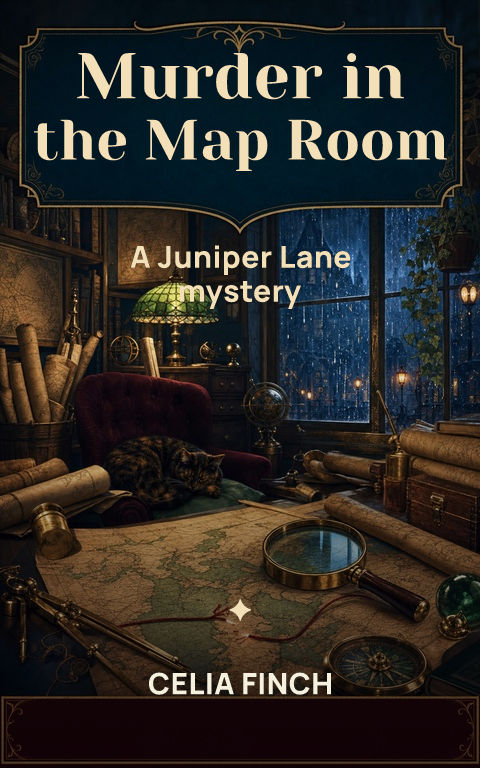
Mystery covers work by making the reader ask a precise question. A missing object, interrupted pattern, unusual room, or character caught between actions can establish that question without revealing the answer. Cozy mysteries usually foreground place, wit, and recurring characters; darker crime fiction relies more on absence, surveillance, and consequence.
Choose typography for the subgenre instead of defaulting to thriller capitals. Illustrated display type can support warmth and humor, classic serifs can suggest historical or literary investigation, and restrained condensed sans serif can create contemporary tension. In every case, the title needs a calm enough field to remain readable in a retailer grid.
A series should repeat its title architecture, author position, and clue logic while changing the central object or setting. Carry secondary motifs onto the spine and back, but preserve a calm blurb column and an uncluttered barcode area.
Check the cover at storefront size: the title and focal image should still read clearly. For print, keep important details away from trim and leave a calm back-cover area for copy and barcode.
Build the composition around the space where one important thing should be.
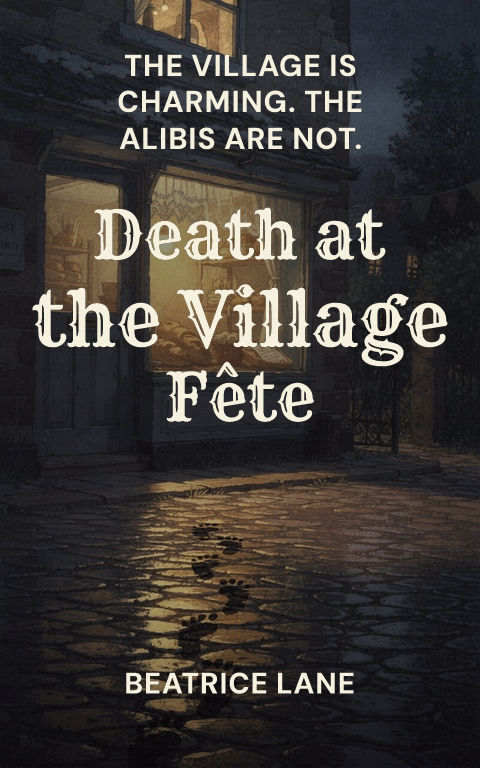
Let a shop, village, library, or kitchen establish recurring series charm.
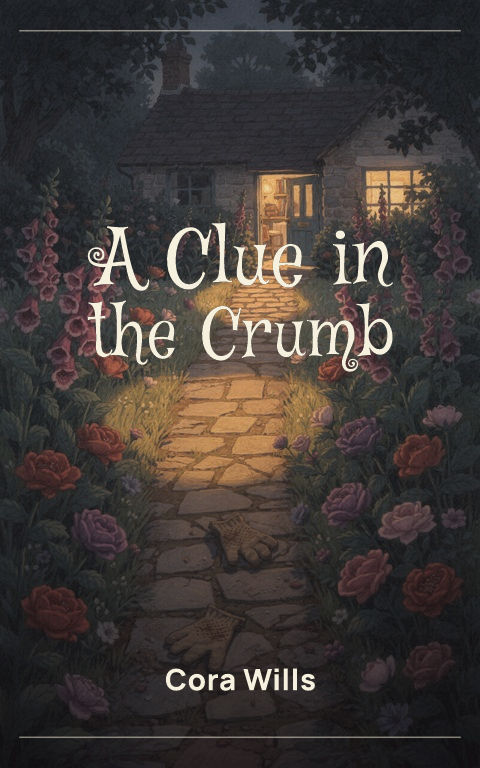
Enlarge one clue until it becomes a graphic shape rather than a literal explanation.
Yes. Choose illustrated, object-led, typographic, or scenic systems and keep every layer editable.
Mystery foregrounds the question and investigation; thriller more often foregrounds danger, urgency, and pursuit.
Yes. Duplicate the structured title, author, ornament, and panel rules while changing each book's artwork and copy.