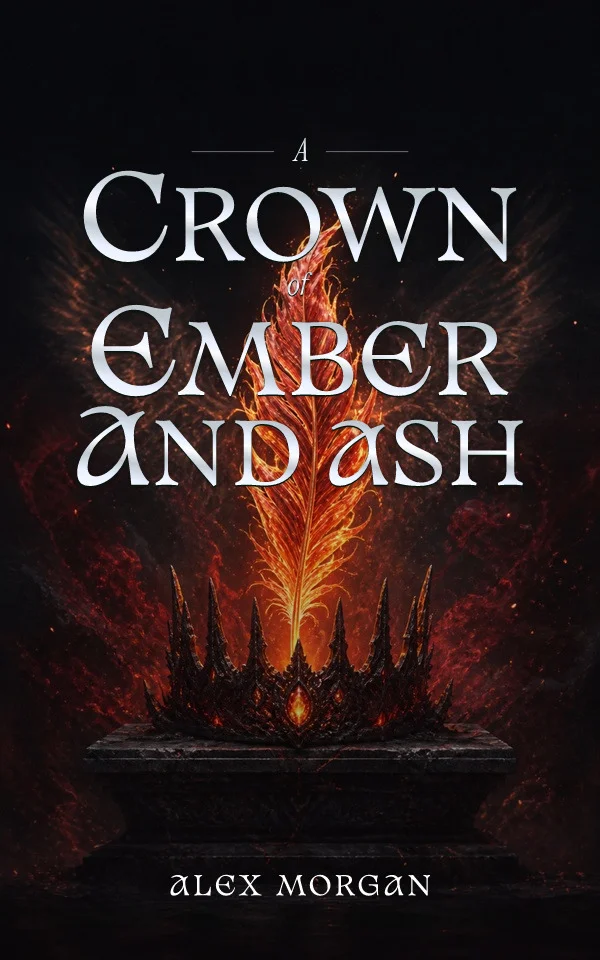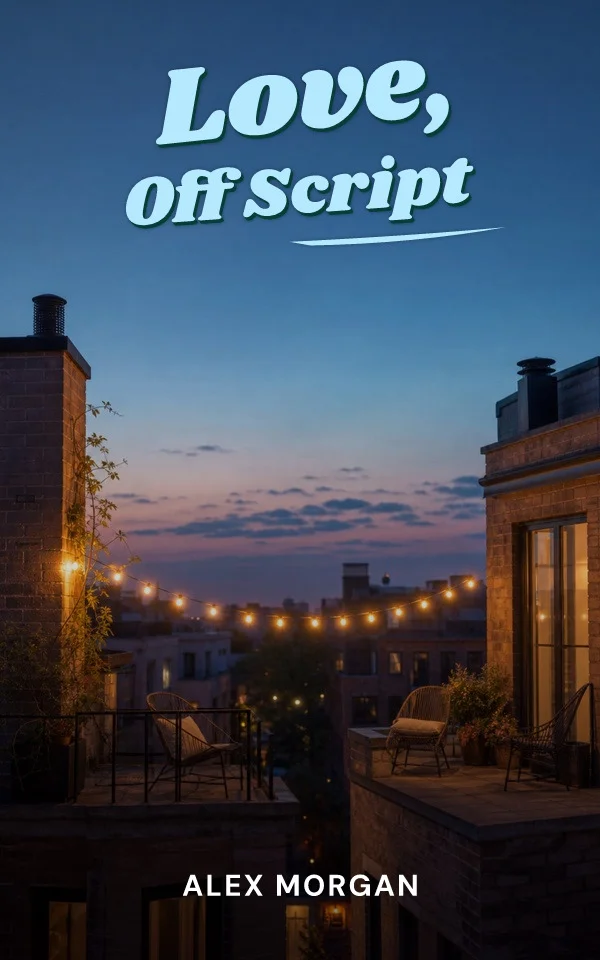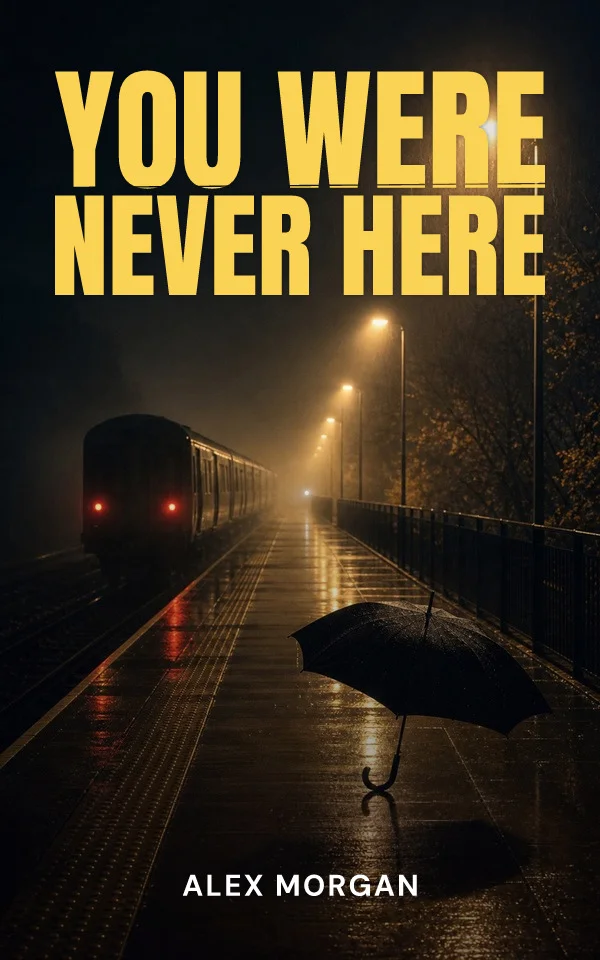


A book cover template should provide a tested hierarchy and editable layout, not a finished identity. The useful parts are the title architecture, type roles, spacing, image crop, and format rules. Your story-specific artwork and publishing details should make the result recognizably yours.
What makes a useful book cover template?
Look for one clear focal zone, an intentional title silhouette, readable supporting type, and enough flexibility for different title lengths. A useful template keeps text as editable text and makes the artwork replaceable. It should also state whether it is intended for an ebook front, a paperback wrap, a hardcover case, or a promotional format; those documents are not interchangeable.
How should a template match the genre?
Compare its composition and typography with current books aimed at the same readership. Romance, thriller, fantasy, children's publishing, and practical nonfiction use different signals, but a genre is not one fixed style. Choose a system whose emotional temperature and reading order suit this manuscript, then introduce a distinct object, place, relationship, or visual tension from the story.
How do you avoid the generic-template look?
Replace more than the title. Change the main image or illustration, revise the crop, establish a manuscript-specific palette, and tune the display type to the words. Remove decorations that do not carry meaning. Preserve the structural logic that made the template useful while changing the surface decisions that would make several unrelated books look identical.
Can one template produce ebook and print files?
It can support a coherent system, but print needs a separately calculated document. Build the front first if the final pagination is not ready, then extend it into a wrap using the printer, binding, trim, paper, and final page count. Reflow the back-cover copy, protect the barcode area, and test the spine rather than placing a front design on a guessed canvas.
Test the template against your real wording first
Drop in the actual title, subtitle, and author name before judging anything else. Templates are demonstrated with short, balanced sample copy, and a layout that flatters two tidy words can collapse under a nine-word practical subtitle or a hyphenated author name. If the structure only works with the demo text, it is a picture of a cover, not a system you can publish with.
Know what free really includes
Free templates differ on the dimensions you can export, whether a watermark applies, which assets carry commercial licenses, and whether print documents are supported at all. Check the license of every bundled image and font; the template being free does not make its components free for commercial covers. Record what you used and its terms with the project, as you would for commissioned artwork.
Match the template to the publishing format
An ebook front, a paperback wrap, a case-laminate hardcover, a square audiobook tile, and a 512 × 800 Wattpad cover are different documents with different geometry. A template designed for one does not automatically serve another: print needs calculated spine and bleed, audio needs a true square composition, and Wattpad needs mobile-tile legibility. Confirm which format a template actually targets before investing in customization.
A five-minute template evaluation
Before committing, run five checks: the real title and author fit without breaking the layout; the text layers stay editable; the artwork is replaceable and its license covers commercial use; the hierarchy survives at thumbnail size; and the template states its format and dimensions. A template that fails two of these will cost more time than starting from a cleaner system.
Start from a structured library
A genre-organized template library shortens the search because the hierarchy decisions, focal zone, title architecture, supporting roles, are already matched to the shelf. Filter by publication format and genre, replace the artwork and words, and keep the structure that made the starting point work.
By Coverfairy Editorial · Published · Updated