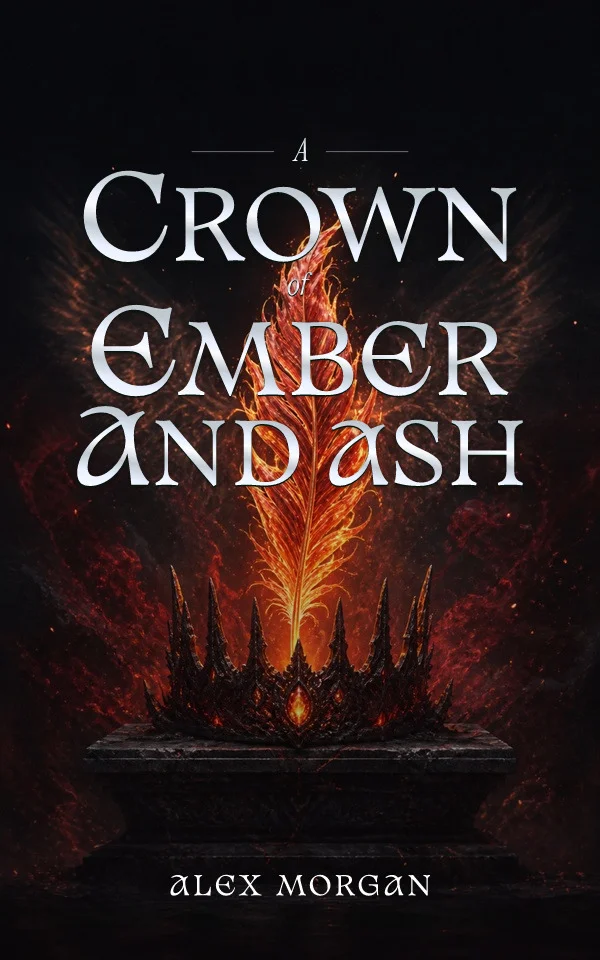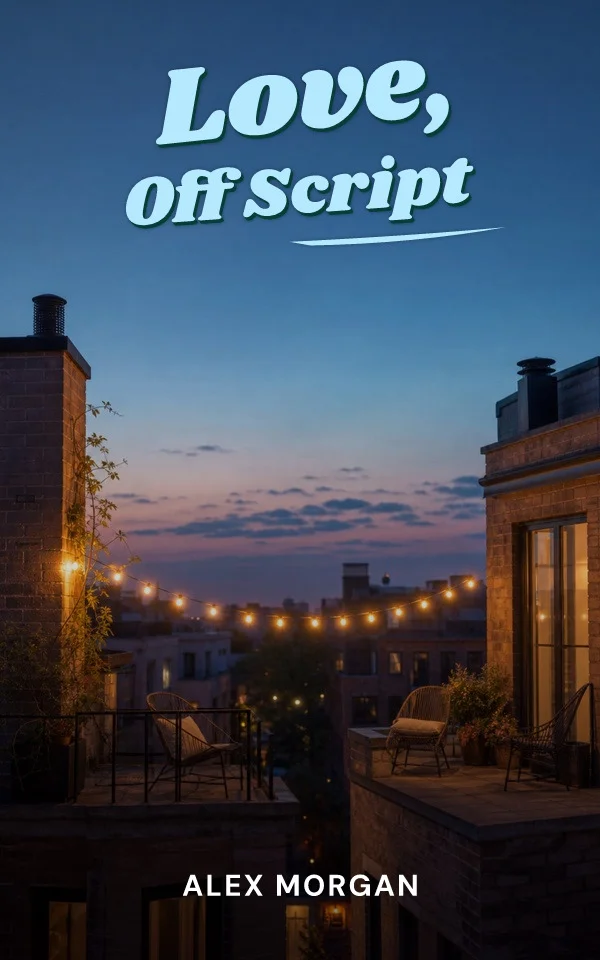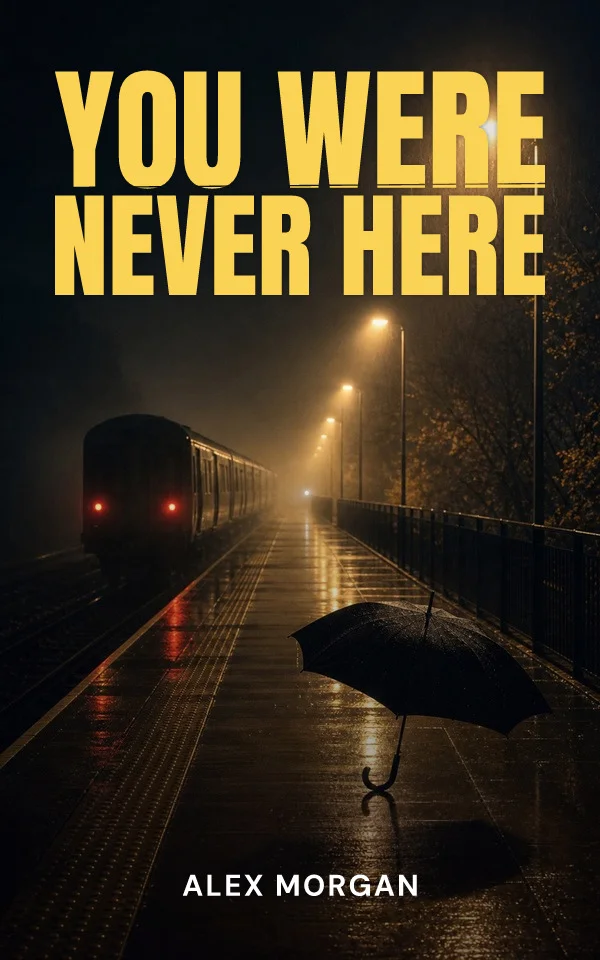

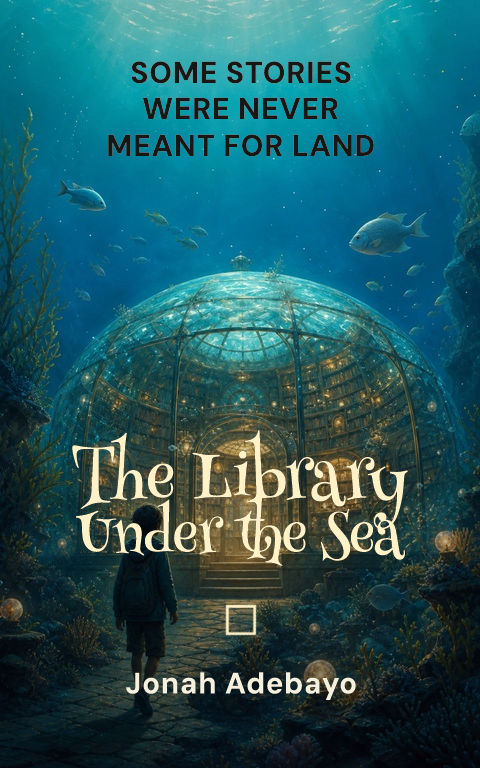
A book title generator is most useful when it creates raw material for judgment, not when it pretends to make the final publishing decision. Generate within a defined genre and tone, identify the patterns that feel true to the manuscript, then build and test a smaller set of original candidates.
What should you enter into a book title generator?
Begin with concrete story material: a place, object, relationship, threat, profession, era, or emotional contradiction. Add the genre and the tone readers should expect. ‘Dark fantasy about an inherited crown’ gives the generator more useful boundaries than ‘good fantasy title.’ Avoid pasting an entire synopsis; a few distinctive signals make it easier to see why an option works.
How do you improve generated book title ideas?
Separate promising structures from disposable wording. You may notice that a possessive phrase, paired nouns, place name, or short command fits the story. Recombine that structure with manuscript-specific language and say each title aloud. Remove options that are difficult to pronounce, easy to mishear, or dependent on context the reader will not have yet.
How do you check whether a title is usable?
Search bookstores, library catalogues, general search results, domains, and relevant trademark databases before committing. Similar titles can exist, but confusion becomes more likely when the genre, author name, and release timing are also close. This is a discovery check, not legal clearance; obtain appropriate advice when a title may function as a protected series or brand identifier.
Will the title work on a book cover?
Set the strongest candidates in a realistic cover area. Compare long and short line breaks, the silhouette at thumbnail size, and the space left for subtitle, series line, and author name. A memorable phrase can still be awkward when every word is narrow, very long, or visually equal. The best shortlist works as language, a market signal, and editable typography.
Build a shortlist with deliberate variety
Aim for a working list of five to ten candidates that differ in structure, not spelling: an image-led phrase, a character or place name, a short command, a possessive construction, a question or contradiction. A varied shortlist reveals what the manuscript actually needs. Ten near-duplicates of the first idea only confirm a preference you already had, which is the most common way a title decision quietly narrows too early.
Let the market argue with your favorite
Before committing, search each finalist in the exact category and note what appears: bestsellers with confusingly close titles, a different genre owning the phrase, or nothing at all. A title that arrives with the wrong neighbors misleads readers before the cover is seen. Where two finalists are equally strong as language, prefer the one whose search results your book can plausibly join and eventually lead.
Nine title structures that keep working
Most strong titles use a recognizable construction: the possessive (The Queen's Cartographer), the located place (The House at the Edge of Winter), object plus consequence (A Key for the Hollow Crown), the short command (Say Nothing), the secret (What the Village Buried), the temporal hinge (Before the Dragons Wake), the contradiction (A Map of Ash and Starlight), the name-led banner (Eleanor), and the one-word claim (Drift). Generators produce these patterns quickly; your judgment supplies the manuscript-specific nouns that make one of them belong to this book alone.
Match the structure to the genre
Structures carry genre expectations. Fantasy rewards objects, oaths, and places; romance leans on we, us, and the weather of a relationship; thrillers favor absence, witnesses, and closed exits; science fiction reaches for signals, archives, and distance; cozy mysteries pair wit with setting. A structurally perfect title in the wrong genre register misleads the reader as surely as the wrong cover art, so test candidates against the shelf, not in isolation.
Plan the series before you commit
If the book opens a series, the title is a system decision. Check that the chosen structure can repeat with variation, The Bone Season, The Mime Order, and that the shared word or rhythm survives different lengths. A title pattern that only works once forces book two into an awkward compromise, and retailers reward series whose titles are recognizably related at a glance.
By Coverfairy Editorial · Published · Updated