
Free pen name generator
A free pen name generator and pseudonym maker: build author name ideas by genre and style, see how each one is constructed, then check the name is genuinely free before you publish under it.
Get a useful result for your book
Leave the fields blank for a full spread of options. A preferred initial is useful if you want to sit near a particular author alphabetically on the shelf.
- Cordelia AshfordFormal first name with a landed-sounding surname — reads literary and established.
- Mara VanceTwo short, hard-consonant words; memorable on a spine and easy to spell aloud.
- E. M. WhitlockInitials keep the name genre-neutral and let the surname carry the shelf presence.
- Julian MerrickBalanced three-and-two syllables; familiar without belonging to anyone well known.
- Rowan ElleryUnisex first name paired with an unusual surname — distinctive but not costume-like.
- Thea BellamyShort first name gives the surname room; the rhythm suits book-club fiction.
- Idris HaleOne syllable each. The shortest names survive the smallest cover type.
- Vivienne MarshOrnate first name grounded by a plain surname, so it reads elegant rather than fussy.
- S. J. QuinnDouble initials with a compact surname — the classic crime and thriller construction.
- Emery SinclairBoth parts scan as surnames, which makes the whole name feel deliberately chosen.
Check before you commit. These are constructed suggestions, not cleared names. Search Amazon, Goodreads, and a general web search for each candidate, check the domain and social handles, and check your national trademark database. A pen name that collides with a working author in the same genre costs you discoverability and can create a real legal problem.
Quick answerA pen name is a published name that is not your legal name. You can normally write and sell under one without registering it, but you still need the name to be genuinely free: unused by a working author in your genre, and clear of trademarks. Payment, tax, and contract paperwork continue to use your legal identity.
How do you choose a pen name that works?
Favour names that are easy to spell after hearing them once, short enough to stay legible in cover type, and unmistakable in search. Two to four syllables is the practical range. Avoid deliberate misspellings of common names, because readers who half-remember the name will search the ordinary spelling and find someone else. If you write in more than one genre, a separate name per genre keeps the recommendation algorithms from blending audiences that want different books.
What should you check before publishing under a pen name?
Search the exact name on Amazon and Goodreads, then run a plain web search. Check whether the domain and the social handles you would want are available, and search your national trademark register — in the United States that is the USPTO's TESS database. An author name can function as a trademark once it identifies a series or a body of work, so a collision with an established writer in your category is both a discoverability problem and a potential legal one.
Does a pen name change the legal or tax position?
Publishing platforms ask for your legal name and tax details for payment regardless of the name on the cover, and copyright still belongs to you as the human author. Registering a pseudonymous work with a copyright office is possible without disclosing your legal name, though the protection term is calculated differently. Some jurisdictions require a fictitious-name or 'doing business as' filing if you trade under the name. Check the rules where you live and file where required — this is general information, not legal advice.
Frequently asked questions
Is it legal to publish under a pen name?
Yes. Writing and selling under a pseudonym is normal and legal in most countries. Payment and tax records still use your legal name, and some jurisdictions require a fictitious-name filing if you trade under it. Check your local rules.
How do I check whether a pen name is taken?
Search the exact name on Amazon and Goodreads, run a plain web search, check the domain and social handles, and search your national trademark register. Avoid any name already working in your genre.
Can two authors share the same pen name?
Legally there is no register of author names, so duplicates happen. In practice it is a bad outcome: reviews, recommendations, and search results merge, and an established author with trademark rights can act against you. Choose a clear name instead.
Should I use initials instead of a first name?
Initials are useful when you want the name to stay genre-neutral, and they suit crime and thriller conventions. They are harder to say aloud, which slightly weakens word-of-mouth recall.
Do I need a different pen name for each genre?
Not always, but separate names help when the genres want different readers. Retailer recommendation engines learn from an author's whole catalogue, so mixing cosy mystery with horror under one name can blunt both.
Does copyright still protect a pseudonymous book?
Yes. Copyright belongs to you as the human author regardless of the name printed on the cover. Registration as a pseudonymous work is possible without disclosing your legal name, though the term of protection is calculated differently.
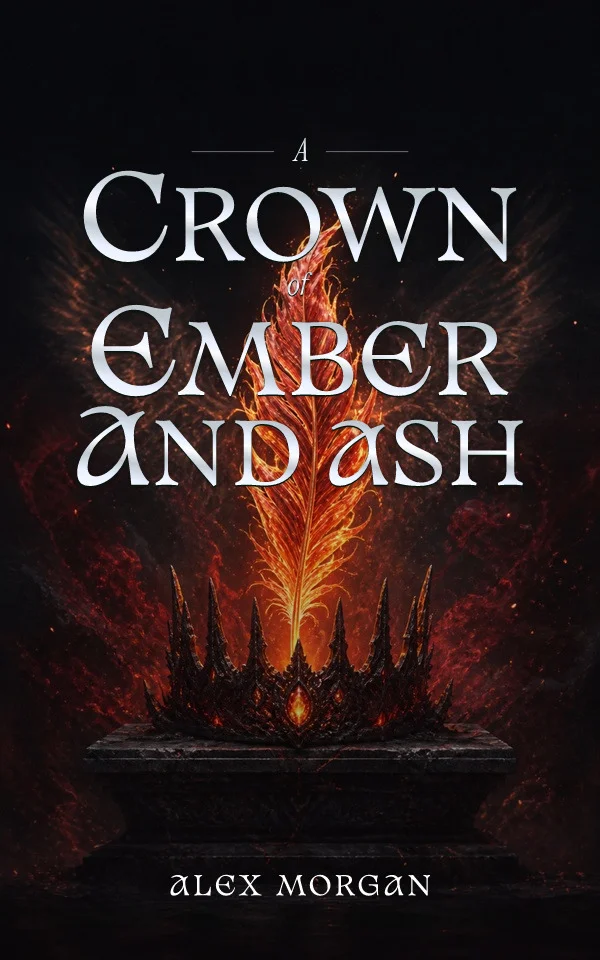
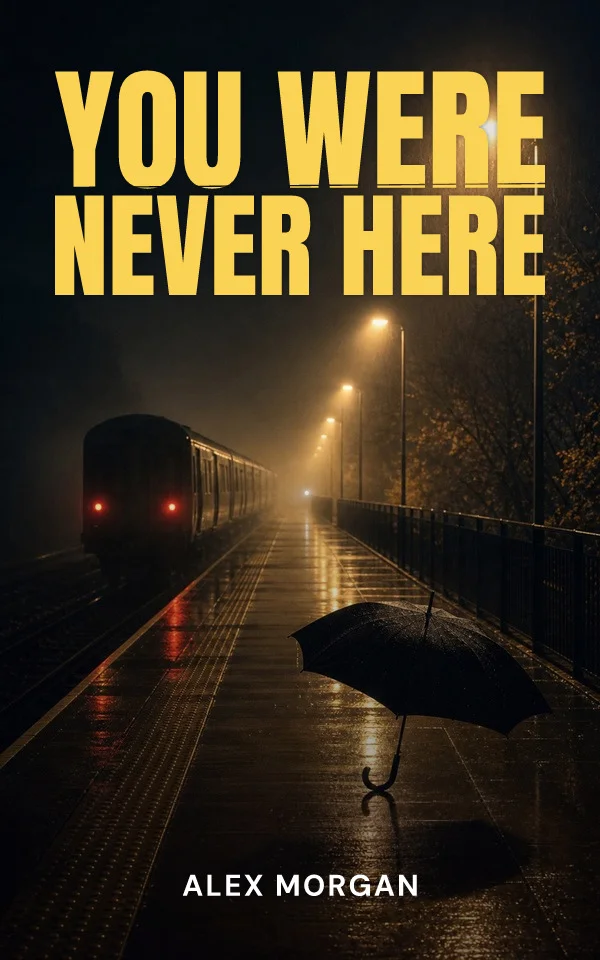
Put the idea on your own book.
Start from your story, then try editable typography and artwork. Examples made with the Coverfairy editor: