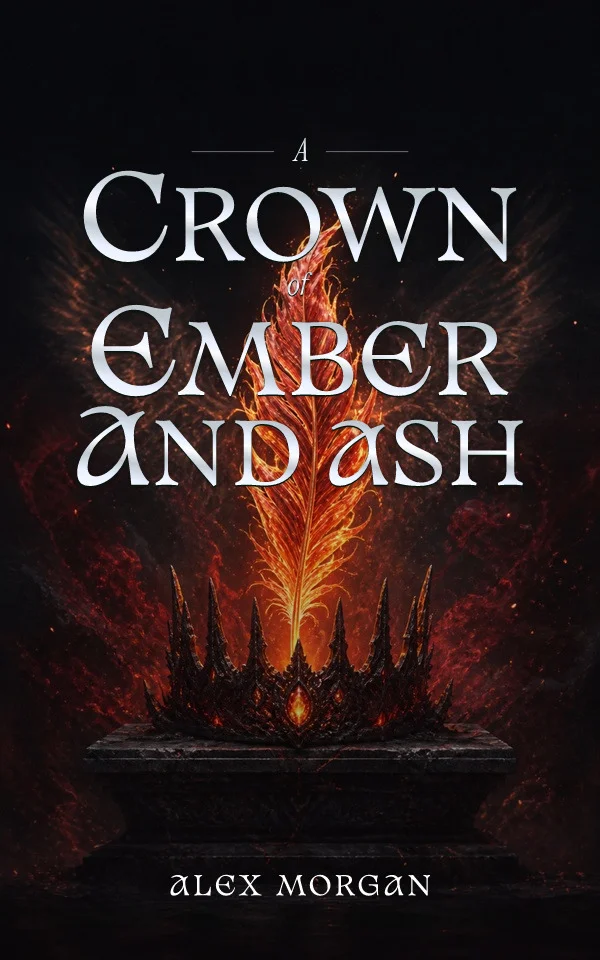

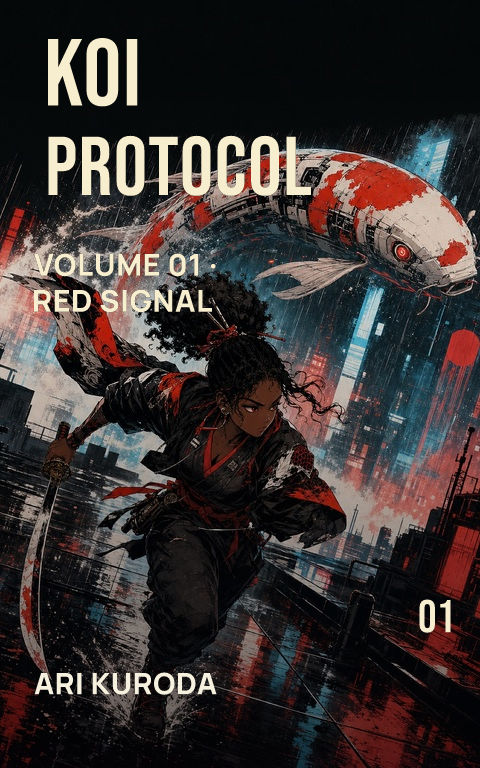
Authors searching for a book cover artist often mean three different jobs at once. The person who paints a dragon, the person who decides the dragon belongs on the cover at that crop with that title treatment, and the person who builds the print-ready wrap can be one professional or three. Knowing which job the manuscript actually needs prevents paying twice for overlapping work.
What a cover designer owns
The designer owns the outcome: reading the brief, positioning the book against its category, choosing or commissioning imagery, building the title hierarchy, and delivering correct production files. A strong designer can make a compelling cover from licensed stock and typography alone. If you can only hire one professional, this is usually the role to pay for, because design failures — wrong genre signal, weak thumbnail, broken hierarchy — sink covers more often than artwork quality does.
What an artist or illustrator owns
An illustrator or cover artist creates the image: a character portrait, a painted scene, a stylized world. Commissioned art is the right investment when the story needs a specific likeness, an original world, or a distinctive illustrated identity that stock and generated imagery cannot supply. But raw artwork is not a cover. Budget for design and typesetting after the commission, and agree upfront on crop space, title clearance, and the formats the art must eventually serve.
When the roles combine, and when you fill one yourself
Some professionals genuinely do both; their portfolios show finished covers, not just artwork. Structured tools cover a third arrangement: an author supplies or generates the artwork and handles typesetting and production in an editor that enforces the technical rules, paying only for what the workflow cannot do. The honest question is which decisions you can competently make. Art direction and genre judgment are the hardest to self-supply; file mechanics are the easiest.
How to brief whichever role you hire
Give either professional the same foundation: the exact title and author wording, category and comparable current covers, the reader promise in one sentence, required formats, and everything the cover must avoid. Ask an illustrator about usage rights, revision rounds, and source files; ask a designer about concepts, formats included, and how spine changes are handled after pagination. A written brief protects both sides and makes quotes comparable.
Compare quotes by deliverable, not by the headline price
Put every quote into the same columns: concept count, revision rounds, custom art or licensed stock, ebook front, paperback wrap, hardcover or jacket, audiobook square, source files, font and image rights, later spine updates, and support after a printer rejection. An artist's fee may cover only the illustration, while a designer's fee may include the art license, typography, full wrap, and production files. Neither price is expensive or cheap until the scope is made comparable.
Who owns the rights and production risk?
A commission should state the territory, duration, formats, advertising use, merchandise or adaptation rights, exclusivity, portfolio use, and whether editable source files transfer. Stock art and fonts remain governed by their own licenses. Separately, identify who is responsible for the final page-count update, template comparison, barcode area, bleed, color mode, and rejected-file correction. Creative rights and printer responsibility are different clauses; a contract that covers one may say nothing about the other.
Use a decision rule based on what the manuscript cannot fake
Hire an illustrator when a precise original character, world, cultural detail, or repeatable drawn series identity is essential. Hire a designer when the central problem is market positioning, concept, typography, hierarchy, or a multi-format production system. Hire both when bespoke art and commercial packaging are equally important. Use an author-operated tool when you can make the genre and art-direction decisions yourself and mainly need editable typography, calculated files, and an organized handoff. The honest answer can change between books.
By Coverfairy Editorial · Published · Updated