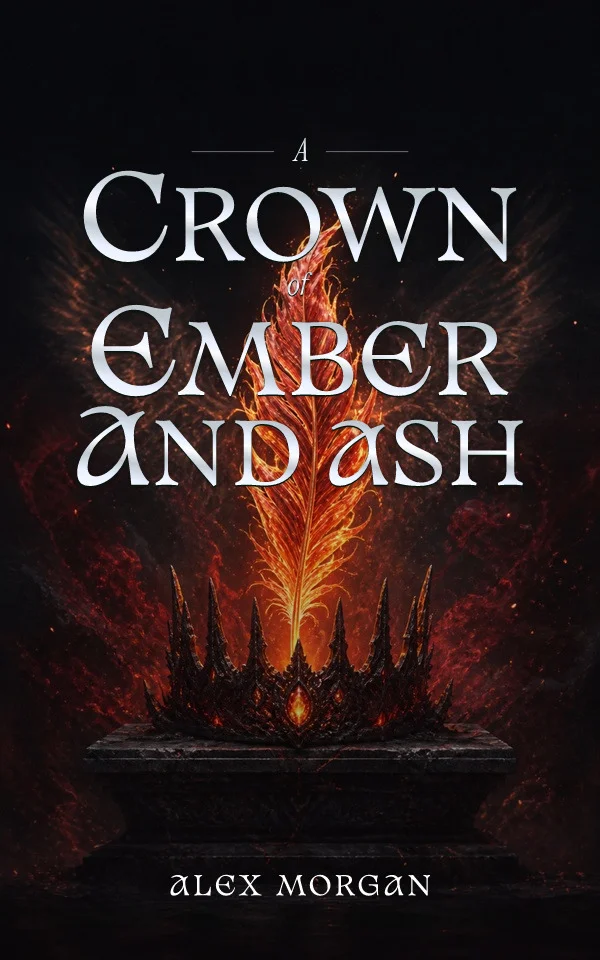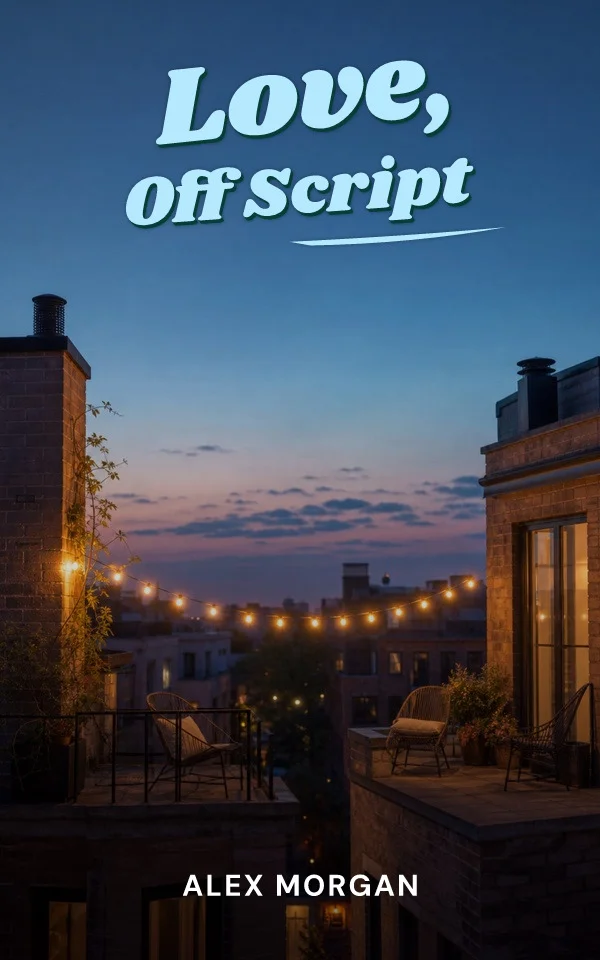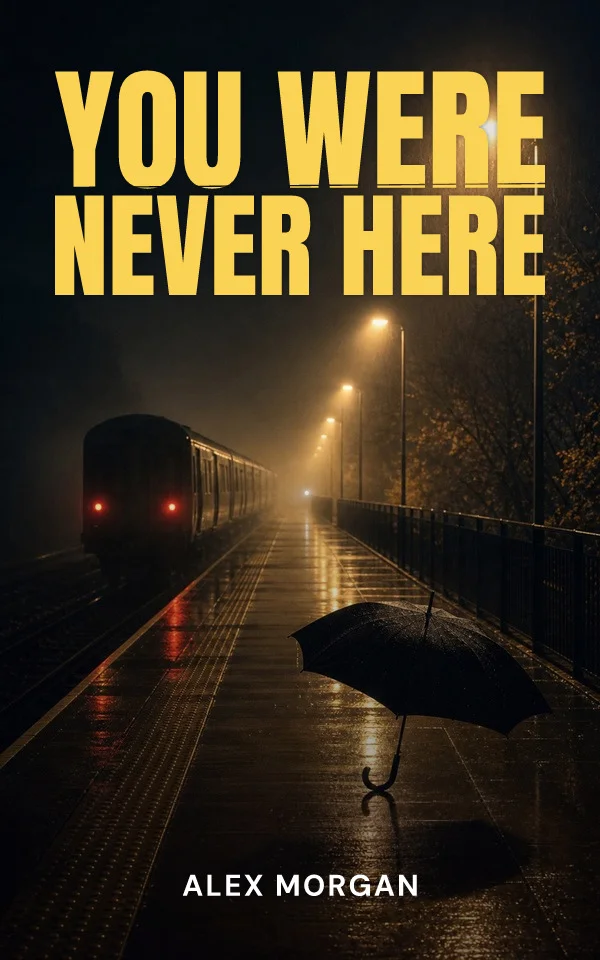

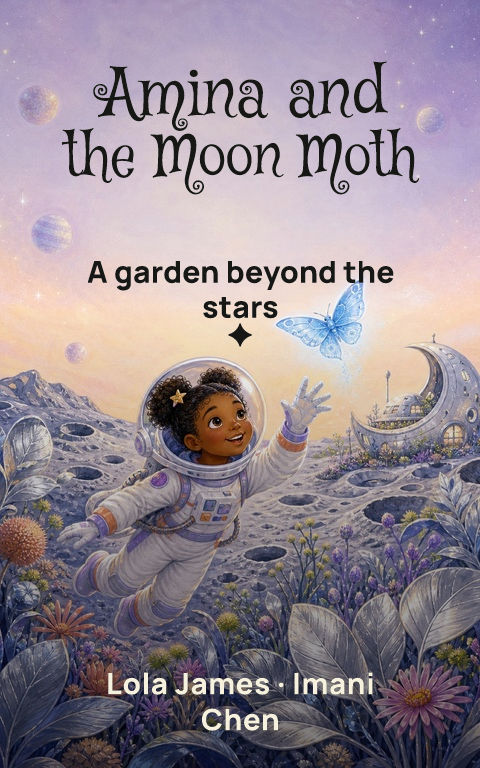
Illustration has quietly become the default in several categories: bright character art owns contemporary romance, painterly scenes own cozy fantasy, and flat graphic systems own much of nonfiction. That is not fashion alone. Illustration gives the designer control photography cannot offer, over age, likeness, period detail, physics, and tone, and it ages more gracefully than stock photography.
What illustration controls that photography cannot
An illustrated character has no model release, no recognizable stranger's face, no wardrobe anachronism, and no other book using the same stock photo. Invented worlds render without compositing seams. For series, the same illustration system extends to new settings and casts on demand. The trade is time and money for custom work, or careful licensing for existing art.
Style is the genre signal
Flat, bright character illustration promises wit and warmth, the contemporary romance register. Painterly depth promises immersion, fantasy, historical, literary. Textured folk styles promise coziness. Sharp vector geometry promises ideas, nonfiction and business. Readers parse these instantly, so choose the style by the promise, then verify it against the current shelf for the same readers.
Keep the words out of the artwork
However the illustration is made, the title, author name, and series line belong in live typography above it, not painted into it. Editable type survives retitles, subtitle changes, translations, series renumbering, and format adaptation, and it lets the same artwork serve the ebook, the print wrap, and the audiobook square with recomposed hierarchy rather than regenerated art.
If any of the art is AI-generated, check the current disclosure rules
Brief the illustration like a design problem
Whether commissioning an artist or generating a base image, define the reader, the emotional promise, the focal moment, the palette discipline, and the space the title needs before any drawing happens. Reference covers by the signal you want, warmth, dread, wonder, not as surfaces to copy. And record the source, license, and version history with the project.
By Coverfairy Editorial · Published · Updated