
Free book manuscript template for Word
Download a blank Word manuscript template or turn finished text into an editable submission-format DOCX with 12-point type, double spacing, one-inch margins, and running headers.
Prepare a clean submission file
START WITH AN EMPTY WORD FILE
Need a blank book manuscript template?
Download an editable DOCX with the title page, first chapter, one-inch margins, Courier New, double spacing, paragraph indents, and a running header already set up.
Blank templates and pasted text are built in your browser. A Word or EPUB import is saved privately to a draft so its structure can be read; your contact details are never added to that draft.
What the formatter changes
- 12-point Courier New and double-spaced body text
- One-inch margins and half-inch paragraph indents
- Contact details, approximate word count, title, and byline on the first page
- Surname, short title, and automatic page number in the running header
- Scene breaks shown as a centered # and italics shown by underlining
Quick answerA book manuscript template for Word is a plain, editable submission file with a title page, 12-point type, double spacing, one-inch margins, indented paragraphs, page breaks at major sections, and a numbered running header. Download the blank DOCX or use the formatter to put a finished manuscript into the same structure.
What is included in the free Word manuscript template?
The blank DOCX opens with editable contact, approximate word-count, title, and byline fields, followed by a first chapter with the body paragraph style already applied. Its page section uses one-inch margins, Courier New at 12 points, double line spacing, half-inch first-line indents, and a running surname/title/page-number header. Replace the sample fields and paragraph rather than copying their visible formatting into a new document; the useful part of a Word template is the underlying paragraph and section setup.
How do you use the template without breaking it?
Save a working copy, replace BOOK TITLE, AUTHOR NAME, and the contact block, then paste the manuscript as plain text or use Word's destination-style paste so imported formatting does not override the template. Apply the existing body style to ordinary paragraphs, use the chapter treatment only for real major sections, and represent scene breaks consistently. Turn on formatting marks while cleaning so manual tabs, repeated spaces, empty paragraphs, and accidental page breaks are visible instead of quietly changing the file.
What does the finished-manuscript formatter change?
It creates the same title-page information from the details you enter, estimates the word count, applies the submission body style, starts major sections on a new page, converts scene breaks to a centered #, and builds a numbered running header from the author surname and a short form of the title. Italics are represented by underlining in the conservative submission output. Because the result is a normal DOCX, every choice can be changed when a recipient asks for a different font, header, or first-page convention.
How should chapters, scenes, and dialogue appear?
Start each chapter or other major section on a new page, but do not press Enter repeatedly to force the position; use a real page break or the template's chapter style. Mark scene changes consistently with a centered # or another symbol accepted by the recipient. Ordinary dialogue stays in the same indented body style as narrative prose, with a new paragraph whenever the speaker changes. Avoid ornamental chapter art, drop caps, justified type, custom colors, and print-style running heads: a submission document is designed for reading and annotation, not to imitate the finished book.
Is standard manuscript format universal?
No. It is a durable default for prose submissions, not a rule that overrides the current instructions from an agent, editor, contest, journal, or publisher. Some recipients request Times New Roman instead of Courier, a different first-page header, no contact address, anonymized contest pages, or a particular filename. Read the live submission page immediately before sending and edit the downloaded Word file to match it. The recipient's explicit instruction always wins.
Is a manuscript template the same as a print book template?
No. A submission manuscript is intentionally plain, roomy, and easy to annotate. A reader-facing interior uses proportionally spaced book type, controlled chapter openings, folios, running heads, mirrored margins, a gutter, front-matter ordering, and separate print and EPUB behavior. Do not upload this submission DOCX as a finished KDP interior. When the editing is complete, import the source into the book formatter, inspect the actual typeset pages, and use that final page count for the cover spine.
What should you check before sending the DOCX?
Confirm the exact title and byline, delete every placeholder, update the contact details, verify the word count is described the way the recipient requests, and scan the first page of every chapter. Check that page numbers continue, headers do not appear where prohibited, scene breaks have not become empty lines, and italics still carry meaning. Finally use a clear filename, keep an unchanged copy of the submitted version, and record which recipient received which draft; submission formatting cannot protect you from sending the wrong revision.
Frequently asked questions
What is standard manuscript format?
It is a plain, editable submission layout: 12-point monospaced type, double spacing, one-inch margins, paragraph indents, a title page, and numbered running headers.
Does every agent require this exact format?
No. This is a reliable default, but the recipient's current submission instructions always win. The download is an editable Word document so you can adjust it.
Are my contact details saved?
No. They are inserted into the Word file in your browser. Pasted text also stays in the browser; only an uploaded Word document or EPUB is saved privately to a draft for parsing.
Is the download free?
Yes. Manuscript Mode is free and does not require an interior-formatting purchase.
Put the idea on your own book.
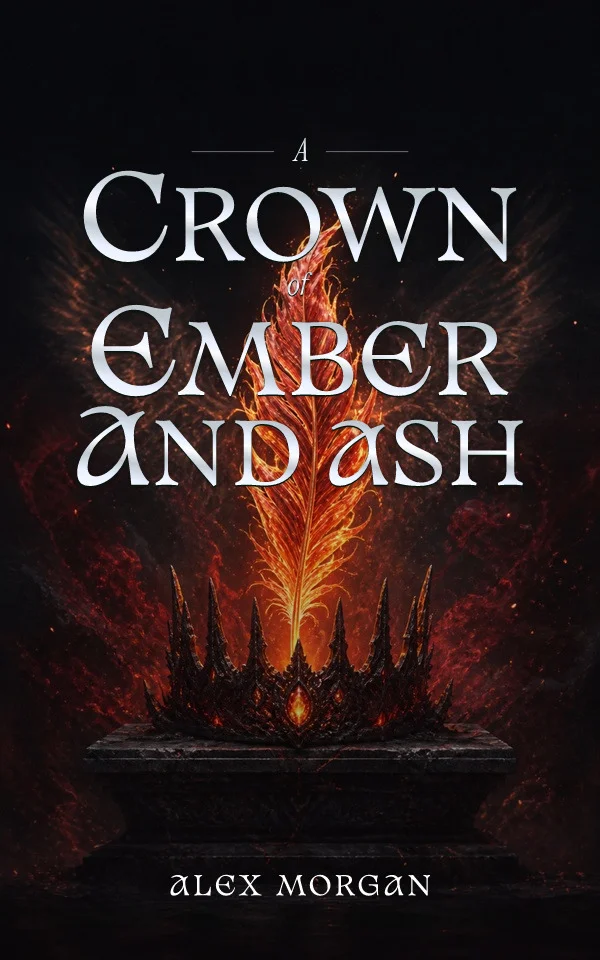
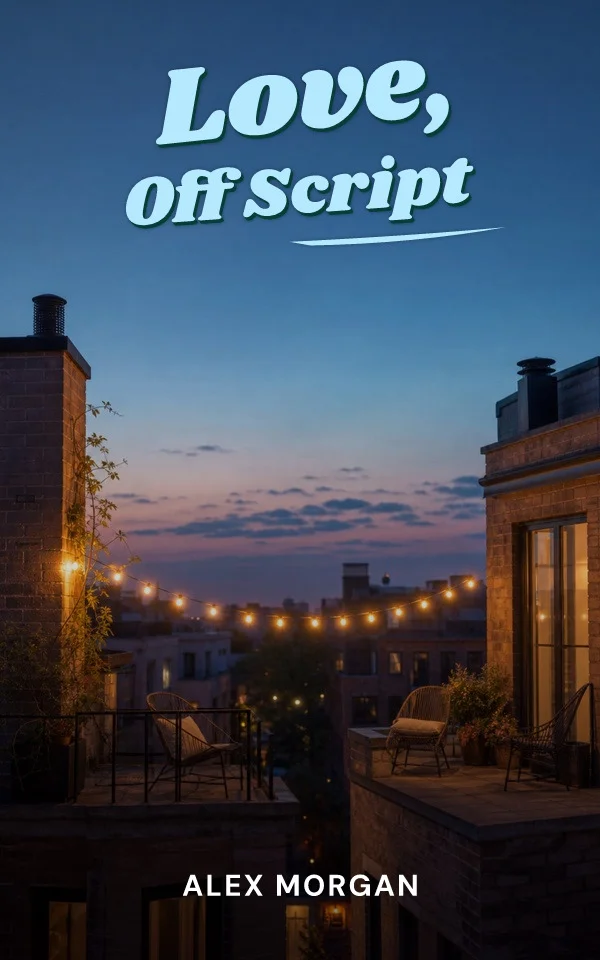
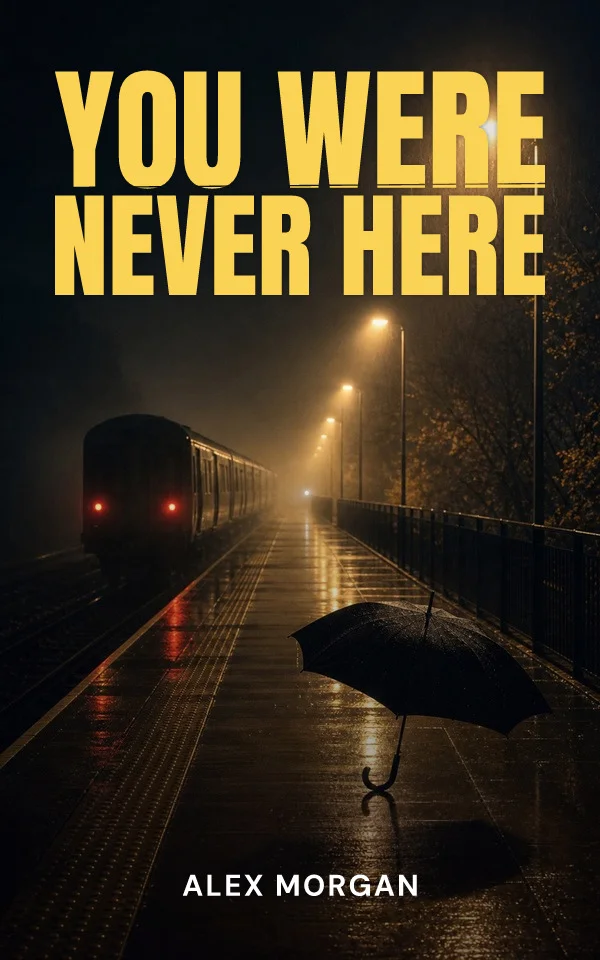
Start from your story, then try editable typography and artwork. Examples made with the Coverfairy editor: